Escape Into Books
Your home for book news, reviews, and bookish fun. Follow along on Facebook.
Escape Into Books
Your home for book news, reviews, and bookish fun. Follow along on Facebook.


Explore the top horror books available this August 2026, from chilling new releases to timeless classics.
Finding the best horror books isn’t just about hunting for the loudest jumps or the bloodiest pages; it is about finding the precise flavour of dread that gets under your skin. Whether you are looking to catch up on recent releases that everyone is talking about or finally tackle the canonical classics that built the genre, horror offers far more variety than simple haunted houses. When I reshuffled my own shelves last winter, I realised my horror section had split cleanly in two: half of it was stained paperbacks from decades ago, and the other half was sleek modern releases that unnerved me in entirely different ways. This guide is built to help both seasoned horror fans looking for their next obsession and curious newcomers seeking an entry point into the dark.
To navigate the genre effectively, it helps to understand how far horror expands beyond standard ghost stories. The books on our list range from quiet psychological descents and domestic occult paranoia to high-concept thrillers and sprawling supernatural epics. Rather than collapsing everything into a single, overwhelming list, we have separated the latest releases hitting shelves right now from the enduring foundational classics that have stood the test of time. Choosing your next terrifying read comes down to understanding your own appetite for atmosphere, tension, and subgenre style, ensuring you end up with a story that truly lingers after you turn the final page.
| Book | Author | First published |
|---|---|---|
| The Unknown | Riley Sager | 2026 |
| Dreamland | Olivie Blake | 2026 |
| A Plagued Sea | Kim Bo-Young, translated by Sophie Bowman | 2026 |
| Devil Inside | Clay McLeod Chapman | 2026 |
| She Haunts Me Still | De Elizabeth | 2026 |
| Godfestation | Jendia Gammon | 2026 |
| The Hill in the Dark Grove | Liam Higginson | 2026 |
| Stay Buried | Jennifer McMahon | 2026 |
| The Haunting of Hill House | Shirley Jackson | 1959 |
| It | Stephen King | 1986 |
| The Shining | Stephen King | 1977 |
| House of Leaves | Mark Z. Danielewski | 2000 |
| Rosemary’s Baby | Ira Levin | 1967 |
| The Exorcist | William Peter Blatty | 1971 |
| Carrie | Stephen King | 1974 |
| The Silence of the Lambs | Thomas Harris | 1988 |
These are the notable new horror releases landing in bookshops throughout August 2026. This section changes regularly as fresh titles land, offering a rolling snapshot of the latest fiction across supernatural, psychological, folk, and body horror. Check back every month to see which newly published books are worth picking up, as the list is refreshed continuously alongside the latest publishing schedules.
First published 2026
Freshly published on 4 August 2026, The Unknown sees Riley Sager returning to the sharp, high-concept suspense that has made his work a staple for thriller and horror readers alike. The setup is instantly engaging: a struggling actress lands what seems like a life-changing role on a remote film shoot, only to discover that the isolated island location carries a horrific history of its own. What begins as a high-stakes professional opportunity quickly shifts into a nightmare as the line between the movie script and the island’s genuine dark secrets starts to blur. When I was turning the pages late into the night, it was the claustrophobic tension of the film set on that desolate rock that kept me genuinely hooked.

What Sager handles particularly well here is the paranoia of the environment. Film sets are inherently artificial spaces built on illusions, and placing a classic haunted-island narrative inside a movie production creates a clever double layer of deception. You are constantly forced to question whether a sudden chill or strange occurrence is a trick orchestrated by a ruthless director, or something far more ancient and sinister lingering on the grounds. The narrative momentum remains steady throughout, building a atmospheric dread that gradually accelerates as the cast and crew find themselves trapped by rising tides and cut off from the mainland.
This is an ideal choice for readers who enjoy location-heavy horror and locked-room thrillers where the setting functions almost like a character in its own right. It hits the ground running and does not bog itself down in excessive exposition, making it a great option if you want something atmospheric yet breezy enough to finish over a couple of sittings. Before diving in, it is worth knowing that the story leans heavily into psychological suspense alongside its supernatural elements, delivering a dark, twist-filled mystery that rewards careful attention to subtle clues scattered across the early chapters.
First published 2026Length 368 pages
Borrow or find an edition on Open Library
Published on 11 August 2026, Dreamland marks a sharp, atmospheric turn into horror territory for Olivie Blake. Running at about 368 pages, the novel grounds its sinister narrative in the heat and glamour of Los Angeles, a city simultaneously fascinated by success and haunted by its own deep shadows. Rather than relying on familiar gothic castles or isolated rural houses, Blake uses the vast, sun-bleached sprawl of Southern California to build a quiet, creeping sense of dread that takes root right from the start.
At the centre of the story is Anya, who receives a life-changing opportunity just as a string of brutal murders begins to shake Los Angeles. As the violence escalates across the city, the boundary between her dizzying breakthrough and the violent reality unfolding around her becomes dangerously blurred. The narrative moves smoothly between high-stakes ambition and dark threat, forcing Anya to navigate an environment where unimaginable personal reward comes paired with terrible, hidden costs.
What Olivie Blake captures particularly well here is the paranoia of pursuing a dream while danger circles just out of sight. The book balances psychological tension with genre horror, carefully pacing its reveals so that the threat feels unpredictable throughout. It is a rewarding pick for readers who prefer horror built on tone, ambition, and character motivation rather than relying purely on shock tactics, offering a distinct and polished reading experience.
First published 2026
Translated speculative fiction and international horror continue to offer some of the most distinct voices in contemporary publishing, bringing different pacing, cultural perspectives, and existential fears to a landscape that can sometimes rely heavily on familiar Western tropes. Written by Kim Bo-Young and translated into English by Sophie Bowman, A Plagued Sea arrives on 11 August 2026 as one of the year’s most intriguing speculative horror releases.
The plot follows a disciplined bodyguard who is thrown into an escalating nightmarish scenario within a remote village. The location is plagued by a monstrous transformation that spreads like an infection, corrupting both the physical environment and the bodies of those trapped within it. As the threat unfolds, the protagonist must confront unthinkable horrors while trying to execute their duty in a setting where social structures deteriorate and survival becomes a minute-by-minute struggle.
Rather than relying solely on jump scares, the narrative builds its atmosphere through psychological weight and stomach-churning body horror. The tension relies heavily on the stark contrast between the bodyguard’s pragmatic, defensive training and the incomprehensible, biological nature of the catastrophe. It is a work particularly well suited to readers who enjoy translated horror, folk-tinged isolation narratives, and stories that examine human resilience when faced with overwhelming physical decay.
First published 2026
Clay McLeod Chapman returns with Devil Inside, scheduled for publication on 11 August 2026. Known for his ability to unearth lingering trauma and psychological instability, Chapman turns his attention here to the immediate fallout of an intoxicating personal encounter. The story follows Jordan, whose carefully constructed reality rapidly begins to blur after spending a passionate night with a mysterious woman. What initially promises to be a fleeting romantic spark quickly transforms into a disorientation that steadily bleeds into every corner of his daily existence.
The strength of the novel lies in its oppressive atmosphere and relentless interrogation of perception. Chapman expertly charts the breakdown of certainty, building a oppressive sense of dread from quiet shifts in routine, sensory distortion, and unsettling lapses in memory. As Jordan struggles to maintain his grip on his surroundings, the narrative keeps the audience guessing about the true nature of his predicament. It asks whether he is being targeted by something sinister and deliberate, or if he is simply unspooling from within under the weight of his own sudden obsession.
For readers who favour character-focused horror where the terrifying elements stem from emotional vulnerability and psychological decay, Devil Inside hits all the right notes. It is a tight, claustrophobic narrative that operates best in the shadows of doubt, making it an ideal choice for fans of dark fiction who prefer lingering paranoia over straightforward shock tactics.
First published 2026
Published on 11 August 2026, She Haunts Me Still by De Elizabeth arrives right in the middle of a fantastic late-summer wave of dark academic horror. The narrative follows Mallory, a young woman who arrives at university hoping for a fresh start, only to find herself trapped in a tangled web of past tragedy and lingering supernatural presences. It quickly becomes clear that the campus hides deep, dark secrets directly tied to her own mother’s haunting, forcing Mallory to confront both historic institutional horrors and the ghost that refuses to let her family go.
De Elizabeth excels at building an oppressive, claustrophobic atmosphere within the seemingly quiet halls of higher education. Reading Mallory’s late-night search through the dusty campus archives made me instinctively check over my shoulder every time my reading lamp flickered. The pacing relies heavily on a creeping sense of paranoia, as the boundary between grief-induced memory and actual spectral intervention continually blurs, keeping the reader entirely off-balance alongside the protagonist.
If you enjoy stories that merge dark academia with deeply personal, trauma-informed ghost stories, this is an excellent choice. It hits the mark for readers who prefer psychological depth over straightforward slashers, delivering a subtle, unsettling exploration of how maternal inheritance can manifest as a literal entity. Make sure you clear an evening for it, as the mysteries buried beneath the university’s polished facade are almost impossible to step away from once Mallory starts unravelling them.
First published 2026
Jendia Gammon brings a thick, suffocating sense of atmosphere to Godfestation, published on 11 August 2026. Set deep within the backwoods of Southern Appalachia, the story taps directly into the unsettling isolation of rural terrain where ancient, forgotten terrors bleed into the lives of those left behind. It stands as an impressive entry in contemporary folk horror, grounding its escalating sense of dread in a landscape that feels entirely removed from the safety of the modern world.
At the heart of the narrative is Ivy, who finds herself navigating the heavy emotional aftermath of her father’s death. What begins as a quiet, personal reckoning with loss quickly curdles into a nightmare as Ivy encounters monstrous beings lurking within the dense timber and shadowed hollows of the mountain region. Gammon builds the tension steadily, letting the weight of grief interlock with genuine physical horror. The entities inhabiting these woods are not mere background folklore, but visceral, uncanny threats that challenge Ivy’s grasp on reality while the isolation of her surroundings steadily tightens its grip.
For readers who appreciate horror that treats geography as a central character, Godfestation delivers exceptional environmental detail and an oppressive mood. It particularly suits fans of slow-burning folk horror, quiet psychological breakdown, and stories where personal trauma acts as an unwitting doorway to something far older and more dangerous. Gammon avoids cheap jumps in favour of a claustrophobic, lingering dread, making this a novel best read on a quiet evening when you are ready to let the eerie stillness of the wilderness take hold.
First published 2026
Scheduled for publication on 11 August 2026, Liam Higginson’s The Hill in the Dark Grove arrives as an unsettling addition to modern folk and supernatural horror. The narrative centres on Carwyn, a protagonist whose growing obsession with an ancient, unearthed artifact begins to unravel his domestic life. What starts as an academic or personal curiosity quickly shifts into something far more dangerous, drawing sinister forces into his home and threatening the safety of everyone around him.
Higginson builds tension by placing quiet, obsessive human behaviour right alongside ancient, unexplainable dread. Carwyn’s fixation is not merely a plot device; it acts as the wedge that slowly separates him from reality and his loved ones. As the artifact’s true nature becomes clear, the narrative explores how personal compulsions can blind someone to immediate danger, with the darkest consequences falling squarely on Carwyn’s family. The atmospheric dread relies heavily on location and lore, using the shadowed grove and its hidden histories to create an oppressive sense of enclosure.
This novel suits readers who appreciate slow-burn horror where the domestic setting is gradually corrupted by ancient mysteries. Rather than relying on non-stop visceral shocks, the story gains its strength through a steadily tightening sense of doom and the tragic breakdown of familial trust. If you enjoy stories where the past refuses to stay buried and human flaw invites the supernatural inside, The Hill in the Dark Grove delivers a haunting, tightly paced narrative worth adding to any late-summer reading list.
First published 2026
Published on 11 August 2026, Stay Buried marks a welcome return for author Jennifer McMahon, who has long excelled at turning quiet American backwaters into landscapes of subtle, creeping dread. McMahon has built a reputation for stories where history refuses to stay underground, and this release leans heavily into the claustrophobic tension of long-buried local secrets catching up with the present generation.
The story follows a pair of siblings who find themselves drawn back to a town intricately linked to their family’s historical roots. What begins as an effort to untangle personal heritage quickly sours into something far more sinister as they uncover a series of deeply unsettling traditions preserved by the local community. The rituals and quiet agreements that govern the town are not merely eccentric quirks; they are bound to the land and to the siblings’ own bloodline in ways that become increasingly difficult to ignore or escape.
McMahon excels at pacing these reveals, letting small inconsistencies in the town’s history accumulate until the sense of isolation becomes overwhelming. Rather than relying on shock tactics, the narrative relies on atmosphere, regional folklore, and the tragic friction between family duty and self-preservation. It is a fantastic option for readers who prefer folk horror, small-town mysteries, and gothic tales where the environment itself feels like an accomplice to the horrors taking place behind closed doors.
While new releases bring fresh nightmares every season, certain cornerstone titles remain completely impervious to changing trends. I keep well-thumbed paperbacks of these foundational stories permanently on my bedside table because they simply do not age. These are the definitive selections our site stands behind regardless of the month, representing the essential craft and psychological depth that still define the genre at its absolute best.
First published 1959Length 246 pagesReaders 3.95/5 from 77 Open Library ratings
Borrow or find an edition on Open Library
Shirley Jackson’s The Haunting of Hill House, first published in 1959, stands as a canonical haunted-house novel that helped define modern psychological horror. At about 246 pages, it is a brilliantly executed study of creeping tension that sits perfectly for fans of classic psychological haunted-house fiction. Rather than relying on simple jump scares or bloody violence, Jackson builds a disquieting environment where terror arises from emotional isolation and mental vulnerability. On Open Library, the book holds a reader rating of 3.95 out of 5 from 77 ratings, reflecting its enduring place in the genre’s literary canon.
The plot follows four strangers who arrive at a mysterious mansion to observe paranormal phenomena. Assembled by an investigator keen to gather scientific evidence of supernatural events, the visitors early on view their stay as an unusual summer retreat. However, the mood quickly darkens as the house manifests its bizarre, oppressive qualities. The narrative focuses heavily on mental breakdown and atmospheric dread, charting how the eerie surroundings slowly erode the stability of those staying within its walls until internal breakdown and external hauntings become impossible to separate.
What makes The Haunting of Hill House such an extraordinary work is Jackson’s subtle control of atmosphere and prose. The house itself functions as a malignant entity, defined by cold spots, off-kilter angles, and disturbing architecture that unnerves the reader just as much as the characters. Anyone seeking a fast-paced creature feature might be surprised by its quiet pace, but readers who appreciate claustrophobic suspense and psychological depth will find it irreplaceable.
First published 1986
First published in 1986, Stephen King’s It stands as a sprawling landmark of supernatural horror and one of the genre’s most enduring best-sellers. Set in the fictional town of Derry, Maine, the story centres on an ancient shape-shifting entity that awakens periodically to terrorise the town’s children, taking the form of whatever its victims fear most. While the entity frequently manifests as Pennywise the Dancing Clown, the malevolence in Derry runs far deeper than a single monstrous illusion, infecting the very fabric of the community itself.
What sets the novel apart from standard monster stories is its intricate narrative structure, which explores trauma, memory, and small-town childhood fear across two alternating timelines. Readers follow a group of self-proclaimed misfits known as the Losers’ Club, tracking their initial confrontation with the creature during their youth alongside their return as adults twenty-seven years later when the nightmare begins again. Readers working through every Stephen King book in chronological order will quickly recognise Derry as one of the author’s most essential recurring settings, anchored by this massive narrative.
For readers seeking an epic supernatural horror landmark, the novel delivers an extraordinary blend of psychological depth and intense terror. Beyond the surface chills, the book acts as a poignant meditation on how childhood trauma echoes into adulthood and how forgotten memories can resurface with devastating force. It requires a serious time commitment given its sheer narrative ambition, but for those who want a comprehensive dive into King’s signature brand of small-town dread, it remains an utterly indispensable entry in the genre.
First published 1977Length 506 pagesReaders 4.17/5 from 282 Open Library ratings
Borrow or find an edition on Open Library
Published in 1977, Stephen King’s The Shining remains the quintessential descent-into-madness horror novel. Set in the snowbound Rocky Mountains, the story follows Jack Torrance, an aspiring playwright and recovering alcoholic who takes a job as the winter caretaker at the remote Overlook Hotel. Moving into the grand, empty resort with his wife Wendy and young son Danny, Jack views the quiet solitude as a fresh start and a chance to repair his struggling family. However, as the harsh winter weather inevitably seals the family off from the outside world, the hotel’s dark history begins to press in around them.

At roughly 506 pages, the novel spends considerable time detailing Jack’s gradual psychological breakdown. King deftly explores themes of addiction, isolation, and supernatural influence, making it clear that the Overlook actively preys upon Jack’s existing flaws, temper, and guilt. Danny, who possesses a powerful psychic ability known as the shining, recognises the malevolent entities dwelling within the corridors long before his parents do. The real terror of the book lies not just in its frightening supernatural encounters, but in watching a father lose control of his own mind while his family is trapped alongside him with nowhere to run.
This classic belongs at the top of the reading list for lovers of atmospheric descent-into-madness tales. It currently holds a reader rating of 4.17 out of 5 from 282 ratings on Open Library, proving that its slow-burn dread and emotional weight continue to resonate decades after publication. Anyone coming to the novel for the first time should expect a far more intimate, human tragedy than popular culture often implies, anchored by an environment that feels terrifyingly alive.
First published 2000Length 736 pagesReaders 4.31/5 from 64 Open Library ratings
Borrow or find an edition on Open Library
Mark Z. Danielewski published House of Leaves in 2000, and it remains one of the most distinctive accomplishments in modern fiction. Running to about 736 pages, this is a postmodern horror novel famous for its nested narrative structure and wildly inventive typographical design. At its core, the book tells the unsettling story of a family who move into a home on Ash Tree Lane, only to discover an impossible geographical anomaly: the house is significantly larger on the inside than it is on the outside. What begins as a subtle spatial inaccuracy quickly metastasises into a pitch-black labyrinth that defies physics and quietly unspools the sanity of everyone who steps through its threshold.
What sets the novel apart is how completely the physical act of reading mimics the spatial disorientation of the house itself. I spent hours turning my copy upside down, reading text in mirrors, and tracking obscure, nested footnotes across scattered pages just to follow a single sentence down a hallway. Through its unconventional layout, striking colour choices, and dense footnotes, Danielewski creates an incredibly immersive, claustrophobic reading experience. You do not simply read the text; you navigate it, feeling every bit as trapped by the printed pages as the characters are within the expanding darkness of the structure.
This is a title tailored specifically for experimental and postmodern horror enthusiasts, as well as anyone who appreciates structural puzzles and stories that push the physical boundaries of book design. It holds an impressive reader rating of 4.31 out of 5 from 64 ratings on Open Library, reflecting its enduring reputation among adventurous readers. Before picking it up, you should know that it demands patience and definitely requires a physical paper copy, as digital screens simply cannot replicate the tactile nightmare Danielewski constructed.
First published 1967Length 251 pages
Borrow or find an edition on Open Library
Ira Levin’s Rosemary’s Baby, published in 1967, stands as a defining occult-conspiracy thriller that remains a genuine touchstone of domestic horror. Clocking in at a remarkably tight 251 pages, Levin’s novel proves that terror does not require sprawling landscapes or ancient gothic castles to be utterly claustrophobic. Instead, it relies on the creeping realisation that the safest places in our lives, our homes, our marriages, and our medical care, can be quietly co-opted by forces working against us.
The plot follows a young pregnant woman, Rosemary Woodhouse, who moves into a famous New York apartment building with her ambitious actor husband, Guy. As her pregnancy progresses, Rosemary begins to suffer from terrifying pain, profound isolation, and an overwhelming suspicion that her overly attentive elderly neighbours harbour sinister plans for her unborn child. What makes the book so exceptionally effective is how masterfully Levin builds paranoia within this everyday urban apartment setting. Every friendly gesture, every herbal tonic, and every polite intrusion from the neighbours is tinged with double meaning, leaving both Rosemary and the reader questioning where rational concern ends and genuine conspiracy begins.
For fans of paranoia and domestic occult thrillers, this novel is essential reading. It stripped away the traditional atmospheric trappings of mid-century horror and placed ancient evil squarely inside a bright, modern city flat. Levin’s prose is understated, precise, and entirely focused on character psychology, making Rosemary’s increasing isolation feel profoundly disturbing. Anyone looking for a taut, masterfully structured horror story that relies on psychological suspense rather than physical gore will find this lean book every bit as unsettling today as it was when it first transformed the genre in the late 1960s.
First published 1971Length 400 pages
Borrow or find an edition on Open Library
William Peter Blatty’s The Exorcist is a landmark possession novel that became one of the genre’s best-known references, shaping how readers and filmgoers envision religious terror for half a century. Running to about 400 pages, it stands as the definitive text for anyone seeking iconic demonic possession stories. Before William Friedkin turned it into a cinematic phenomenon, Blatty’s 1971 novel established the modern template for body horror grounded in intense spiritual collapse.
The story details the terrifying demonic possession of a young girl, Regan MacNeil, living in Washington, D.C. As Regan’s behaviour turns increasingly violent and inexplicable, her distraught mother exhausts every conventional avenue of help. What follows is a painstaking battle between rational explanation and supernatural reality, culminating in the arrival of two Roman Catholic priests attempting to save her from an ancient entity taking root inside her home.
What makes the novel so relentlessly effective is how it combines theological drama, medical mystery, and visceral terror. Blatty spends a significant portion of the narrative documenting the harrowing battery of psychiatric evaluations, spinal taps, and brain scans that Regan undergoes before her family even considers spiritual intervention. By grounding the horrific physical transformations in precise clinical detail, the gradual intrusion of the unexplainable feels vastly more unsettling. It remains an essential read for anyone wanting to see where modern demonic horror truly began.
First published 1974Length 255 pagesReaders 3.99/5 from 167 Open Library ratings
Borrow or find an edition on Open Library
Long before he became horror’s undisputed master of volume, Stephen King launched his publishing career with a deceptively lean novel about the terrors of high school social isolation. Published in 1974, Carrie stands as a foundational revenge-and-bullying horror novel and Stephen King’s first published book. It tells the story of Carrie White, an abused teenage girl who develops destructive telekinetic powers while navigating the cruelties of her peers at school and the stifling, fanatical environment imposed by her mother at home. What begins as a grounded study of adolescent misery gradually spirals into one of the most violent crescendos in modern genre fiction.
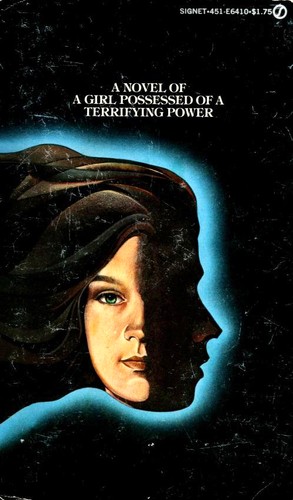
Rather than relying on a simple linear narrative, King constructs the tale through an epistolary mix of news clippings, interviews, scientific reports, and personal testimonies. This structural choice gives the story a documentary feel, revealing early on that a catastrophic event has taken place and allowing the tension to build around the exact details of how and why the tragedy unfolded. By scattering these retrospective fragments throughout Carrie’s quiet, desperate daily life, the novel creates an overwhelming sense of inevitability that makes the final disaster all the more harrowing.
At about 255 pages, it remains one of King’s most concentrated works, free of the sprawling multi-character subplots that would later define his epic novels. It is particularly well suited for fans of high school revenge tales and telekinetic horror who appreciate a tight, relentless pace. The novel currently holds a reader rating of 3.99 out of 5 from 167 ratings on Open Library, serving as both an accessible entry point into King’s massive bibliography and an enduring classic of psychological and supernatural horror.
First published 1988Length 352 pagesReaders 4.22/5 from 50 Open Library ratings
Borrow or find an edition on Open Library
First published in 1988, The Silence of the Lambs by Thomas Harris is a genre-crossing serial-killer classic that helped shape modern thriller-horror crossover fiction. The narrative famously pairs young FBI trainee Clarice Starling with the brilliant yet deeply disturbing imprisoned cannibalistic psychiatrist Hannibal Lecter. Starling is tasked with interviewing Lecter to gain insight into the mind of an active killer, setting off a delicate and terrifying exchange between two very different intellects. When I first picked up a second-hand paperback copy off my shelf, I expected a straightforward police procedural, only to find myself utterly hooked by the claustrophobic tension of Clarice’s interviews behind the glass.
What makes the novel work so brilliantly is how seamlessly Harris blends procedural crime investigation with intense psychological horror. Rather than relying solely on visceral shock value, the narrative mines its dread from psychological manipulation, institutional pressures, and the cold, calculated logic of human evil. Running to about 352 pages, it maintains a remarkably tight pace that keeps the stakes dangerously high from start to finish. Readers on Open Library give it a rating of 4.22 out of 5 from 50 ratings, reflecting its enduring strength among lovers of dark fiction.
This book particularly suits thrill-seekers who like psychological and serial-killer horror, especially those who appreciate meticulous investigative detail mixed with lingering dread. Before diving in, readers should simply know that while the story operates within the framework of a federal investigation, its atmosphere and characterisations lean squarely into genuine horror territory. It remains an essential milestone for anyone wanting to trace how the modern psychological thriller crossed over into dark fiction.
The label of horror is often mistakenly reduced to traditional haunted houses or solitary monsters lurking in the shadows. While canonical haunted-house narratives like Shirley Jackson’s The Haunting of Hill House helped define modern psychological dread, the genre extends far beyond spectral hauntings. Horror operates as a broad umbrella that encompasses a vast range of storytelling techniques, psychological pressures, and visceral threats.
Readers exploring the genre will encounter distinct subgenres that prey on very different human anxieties:
Because the boundaries of horror remain fluid, contemporary reading lists frequently blend foundational titles with modern cross-genre releases. A well-curated selection might feature Stephen King’s Carrie or It alongside contemporary releases that weave cosmic dread, social commentary, or speculative fiction into their premises. Recognising these distinct subgenres makes it far easier to navigate the genre and discover the exact style of fear you want to read next.
Selecting the right horror novel comes down to understanding what actually triggers your sense of unease. The genre spans a vast landscape, so a good starting point is deciding whether you prefer supernatural elements or grounded psychological tension. If you want ancient curses, vengeful spirits, or demonic entities, supernatural horror provides an immediate escape into the unexplainable. On the other hand, psychological horror relies on human weakness, unreliable narrators, and real-world obsession. A classic like The Silence of the Lambs shows how horrifying human monsters can be without a single ghost involved, whereas stories like The Haunting of Hill House lean heavily on supernatural dread mixed with internal fragility.
Pacing is another crucial factor when narrowing down your choices. Slow-burn gothic horror builds atmosphere over hundreds of pages, relying on lingering isolation and subtle shifts in tone to unnerve you. In contrast, survival thrillers and body horror often push you straight into the action from page one with unrelenting velocity. If you enjoy sprawling narratives that take their time developing a sense of place, a thick tome like It offers a deep dive into town lore and personal trauma. If you prefer short, sharp shocks that hit fast and leave a mark, a tightly plotted debut like Carrie, which is currently being adapted again as a new event series, might be much closer to what you are looking for.
Finally, do not hesitate to look into reader-curated roundups and dedicated subgenre guides to uncover specific tropes that match your personal tastes. Modern horror has expanded far beyond traditional monster stories, giving rise to vibrant niches such as folk horror, cosmic dread, eco-horror, and domestic conspiracy. Exploring curated lists allows you to filter books by specific setups, whether you want an isolated research base, a cursed family lineage, or an eerie small-town mystery. Taking a moment to identify the atmosphere and speed you enjoy most ensures your next read delivers genuine chills rather than frustration.
While subjective fear varies by reader, the consensus top scariest books consistently span seminal titles across supernatural, psychological, and domestic horror subgenres. Canonical foundations include Shirley Jackson’s 1959 gothic classic The Haunting of Hill House, William Peter Blatty’s 1971 possession landmark The Exorcist, and Ira Levin’s 1967 paranoia thriller Rosemary’s Baby. Stephen King occupies multiple positions with his isolated hotel horror The Shining (1977), his debut revenge tale Carrie (1974), and his sprawling entity epic It (1986). Modern masterworks like Mark Z. Danielewski’s 2000 experimental novel House of Leaves and Thomas Harris’s 1988 psychological crossover The Silence of the Lambs round out editorial roundups, proving that true dread stems from atmospheric variation rather than a single stylistic formula.
Shirley Jackson’s 1959 masterpiece The Haunting of Hill House is widely regarded by critics and authors as the finest horror novel ever written, alongside Stephen King’s 1986 bestseller It. Jackson defined modern psychological horror through claustrophobic atmosphere and ambiguous mental collapse, establishing architectural dread as a genre touchstone. King’s work expanded the boundary of commercial horror, offering a massive supernatural confrontation with childhood trauma that remains an enduring cultural benchmark. Depending on whether a reader prioritises literary suspense or vast mythmaking, both titles stand as ultimate references. For those seeking a tight narrative of personal descent into madness, King’s 1977 novel The Shining frequently shares that top critical podium.
Extreme horror as a subgenre is defined by deliberate transgressive content, visceral body horror, and unfiltered graphic intensity that deliberately pushes beyond mainstream bounds. Rather than relying on subtle psychological suggestion like Ira Levin’s 1967 domestic occult novel Rosemary’s Baby or crime-crossover elements seen in Thomas Harris’s 1988 classic The Silence of the Lambs, extreme fiction focuses on unvarnished physical confrontation and unsettling themes. These books discard traditional gothic restraints to test the reader’s stomach and boundaries. Readers stepping into extreme horror should anticipate graphic scenarios distinct from traditional hauntings, making it a specialised pocket of the genre best approached with a clear understanding of its transgressive intent.
Part of our full guide: Stephen King Adaptations in 2026: What Is Filming, What Was Cancelled and What Is Next
 Best Sci Fi Books: September 2026 and Where to Start

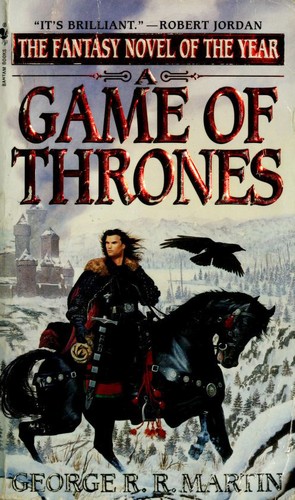
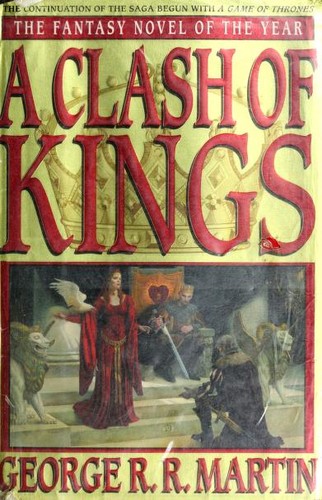
 Game of Thrones Books in Order, and Where Winds of Winter Stands
 Every Stephen King Book in Chronological Order

 The Most Banned Books in American Schools and Libraries
This page is maintained by Theo Marsh, who covers the big fantasy and science-fiction franchises for Escape Into Books.
Covers, author credits and reader ratings come from Open Library, which is free and openly licensed. A rating is only shown once enough people have left one.
Nothing here is generated from a book we could not verify. Where a title could not be confidently matched, we leave the space empty rather than guess.
We re-check this page every 14 days. The review date moves only when the content actually changes, because a fresh date on unchanged text helps nobody.
Last reviewed


