Escape Into Books
Your home for book news, reviews, and bookish fun. Follow along on Facebook.
Escape Into Books
Your home for book news, reviews, and bookish fun. Follow along on Facebook.


Explore our guide to find free classic books online and build your legal digital library.
Thousands of foundational classic novels are legally available to read and keep without paying a penny, simply because their copyrights have naturally expired into the public domain. If you are looking for free classic books online, you do not need to rely on dodgy download sites or dubious torrents. We have put together this guide for anyone who wants to build a magnificent digital library of world-class literature completely above board. We spent a quiet weekend downloading pristine digital editions from public archives, and it remains a genuine thrill that works of towering brilliance cost absolutely nothing.
Major digital repositories like Project Gutenberg, the Internet Archive, and Standard Ebooks provide full, unabridged texts in convenient formats without requiring subscription fees or forced registration. Across this guide, we take a close look at twelve outstanding classic novels that you can legally access right now, alongside the best platforms and tools for finding thousands more.
Before you start filling your e-reader, it is worth keeping in mind that copyright laws are strictly tied to local jurisdiction. A title that has entered the public domain under United States law may still be protected in the United Kingdom or elsewhere depending on local rules regarding author lifespan. Understanding these basic jurisdiction details ensures you download and read public-domain books safely and legally in your own country.
Books enter the public domain when their intellectual property copyrights expire. At that point, the text belongs to everyone, making it entirely legal to read, share, re-publish, and adapt without paying royalties or asking permission. It is the legal mechanism that allows online digital archives to offer classic literature without cost, though the path a book takes into the public domain is rarely a single global straight line.
The crucial point is that copyright law depends entirely on jurisdiction. A novel may be legally free to download in one country while remaining strictly under copyright in another, making your physical location an essential factor. Major digital platforms tailor their catalogs according to national frameworks; Project Gutenberg, for example, focuses specifically on works whose U.S. copyright has expired.
Because these rules vary around the world, assuming that every old book is automatically in the public domain can lead to unintentional copyright infringement. Age is a strong indicator, but local laws ultimately dictate legal availability, so checking the rules that apply in your own country is always a sensible first step before downloading.
| Book | Author | First published | Reader rating | Best for |
|---|---|---|---|---|
| Pride and Prejudice | Jane Austen | 1813 | 4.21 / 5 | Best for romantic fiction lovers |
| Jane Eyre | Charlotte Brontë | 1847 | n/a | Best for Victorian drama enthusiasts |
| Wuthering Heights | Emily Brontë | 1847 | n/a | Best for fans of Gothic romance |
| Moby-Dick | Herman Melville | 1851 | 3.96 / 5 | Best for epic American literature readers |
| Great Expectations | Charles Dickens | 1861 | 3.76 / 5 | Best for coming-of-age classic story lovers |
| Little Women | Louisa May Alcott | 1868 | 4.05 / 5 | Best for classic family drama fans |
| The Picture of Dorian Gray | Oscar Wilde | 1890 | 4.18 / 5 | Best for philosophical dark fiction readers |
| The Adventures of Sherlock Holmes | Arthur Conan Doyle | 1892 | 4.16 / 5 | Best for mystery short story fans |
| The Time Machine | H. G. Wells | 1895 | 4.02 / 5 | Best for early science-fiction enthusiasts |
| Dracula | Bram Stoker | 1897 | 3.97 / 5 | Best for classic horror readers |
| Don Quixote | Miguel de Cervantes Saavedra | 1605 | n/a | Best for foundational world literature readers |
| The Odyssey | Homer | n/a | n/a | Best for ancient epic mythology lovers |
Jane Austen’s foundational English novel of manners remains one of the most widely downloaded public-domain classics online, and for good reason. Clocking in at around 351 pages, this story of the headstrong Elizabeth Bennet and the notoriously reserved Mr Darcy sits firmly as a top choice for romantic fiction lovers and anyone who appreciates blistering social satire disguised as polite ballroom banter. On Open Library, it carries a rating of 4.21 out of 5 from 395 ratings, proving that its sharp humor has lost none of its bite over two centuries.

Every time I return to Elizabeth Bennet’s sharp-tongued exchanges with Mr Darcy, I am reminded of just how remarkably modern Austen’s wit feels on the screen of an e-reader. The novel stands as a staple entry point for readers exploring classic 19th-century literature without spending a penny. It has naturally inspired countless screen versions over the decades, though few purists would ever claim those film treatments are adaptations better than the book itself.
Because its copyright expired long ago, Pride and Prejudice is available in multiple digital formats across nearly all free public repositories, including Project Gutenberg. Whether you prefer an ePub download, a Kindle file, or simply reading directly in your web browser, you can pick up a complete, clean text in seconds without running into a paywall.
Charlotte Brontë’s Jane Eyre stands as a towering achievement in Victorian literature, offering a remarkably sharp look at social class, personal morality, and women’s independence. Driven by one of the earliest and most vivid first-person narratives in the English language, the novel tracks its orphaned heroine from a harsh childhood to her tumultuous employment at Thornfield Hall. It remains best for Victorian drama enthusiasts who appreciate strong character voices mixed with eerie atmospheric tension.

Because the book was published in 1847, Brontë’s masterpiece sits firmly in the public domain and is widely available across free legal ebook platforms. You will find it frequently featured in curated lists on digital archives, ready to read directly in a web browser or download as a standardized file for e-readers. It serves as an ideal starting point for anyone looking to sample nineteenth-century fiction without spending a penny.
Emily Brontë’s Wuthering Heights remains one of the most intense and unyielding novels in the English language. Rather than the polite Victorian domesticity some might expect from the era, this is a dramatic depiction of obsession, passion and lingering revenge set against the stark landscape of the Yorkshire moors. It is best suited to readers who appreciate Gothic romance, complex morality and characters who are fiercely, relentlessly stubborn.
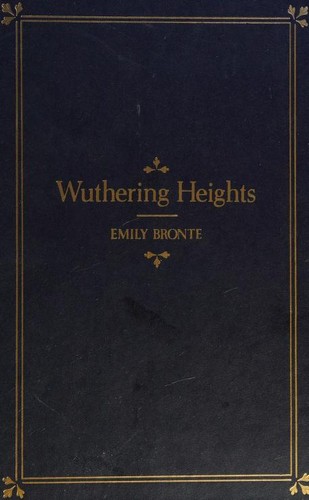
Because the book was first published in 1847, it has long since entered the public domain. Brontë’s sole novel is fully available across digital libraries without paywalls or restrictive check-out timers. You can legally read it directly in your web browser or download it in standard file formats including PDF, EPUB and Kindle files, making it easy to send to an e-reader or phone for an offline session.
Before jumping in, it helps to know that the story is structured through layered frame narratives, told largely through the eyes of housekeepers and outsiders reporting on the chaos at the estate. It can take a chapter or two to find the rhythm of the dialect and shifting timelines, but once Heathcliff and Cathy take hold, it is impossible to look away.
Herman Melville’s landmark American novel, Moby-Dick, first published in 1851, is ideal for readers seeking epic American literature. At roughly 452 pages, it has a formidable reputation, but because it sits firmly in the public domain, it is accessible in numerous free digital editions. On Open Library, the book holds a reader rating of 3.96 out of 5 from 190 ratings, giving a fair indication of how modern readers weigh up its vast ambitions.

The story follows Ishmael as he boards the doomed whaling ship Pequod, commanded by the monomaniacal Captain Ahab in pursuit of a legendary white whale. On the surface it is a grand sea story, yet Melville combines nautical adventure with deep symbolic and philosophical themes. Whole chapters pause the narrative to explore cetology, rope-making, and the nature of fate, creating a reading experience that is part action, part sermon, and entirely peculiar.
Because of its enduring popularity, the full text is readily available on browser-based readers and public-domain archives worldwide. Readers can easily load it onto an e-reader or digest Melville’s famous prose directly on screen without paying a penny.
Charles Dickens’s famous Victorian coming-of-age novel is offered completely free across legal ebook platforms, making it one of the easiest of his works to pick up without spending a penny. Running to about 482 pages, it remains the quintessential pick for lovers of classic growth stories, holding a 3.76 out of 5 reader rating from 161 ratings on Open Library.

The story traces the life, growth, and personal relationships of the orphan Pip, taking him from a gloomy marshland childhood to the murky, status-obsessed streets of London. Re-reading Miss Havisham’s cobweb-draped dining room in digital form left me wondering how anyone ever managed to eat a meal in that house without shuddering. It is sharp, deeply atmospheric, and wonderfully paced compared to some of Dickens’s heavier doorstops.
Because it sits firmly in the public domain, Great Expectations is widely translated and distributed in plain text, ePub, and MOBI files. Whether you prefer sending a clean ebook file straight to your e-reader or scrolling through a browser page during lunch, Pip’s fortunes are readily accessible across almost every digital archive.
Louisa May Alcott’s major American family novel is a staple of free digital libraries and remains one of the most enduring domestic stories in public-domain cataloguing. Set against the backdrop of the American Civil War, the narrative follows the lives and growth of the four March sisters, Meg, Jo, Beth, and Amy, as they navigate childhood, poverty, ambition, and adulthood during the 19th century. It sits squarely at the top of the list for fans of classic family drama seeking an affectionate, grounded story.

Clocking in at roughly 424 pages, it is a popular selection for readers seeking accessible, high-quality public-domain texts that manage to feel remarkably modern in their characterization. Jo March in particular continues to resonate with readers as an uncompromising aspiring writer who resists traditional social expectations. On Open Library, the book holds a steady reader rating of 4.05 out of 5 from 123 ratings, reflecting its lingering warmth across generations. Because it was published in 1868, finding a clean, fully legal digital copy in ePub or browser format requires minimal effort on any major digital archive.
Oscar Wilde’s celebrated philosophical novel, The Picture of Dorian Gray, was first published in 1890 and remains one of the most widely read classics of the late Victorian era. Running to about 246 pages, it is best suited for readers who enjoy philosophical dark fiction with a sharp, gothic edge. On Open Library, it currently holds a reader rating of 4.18 out of 5 from 124 ratings.

The story examines aestheticism, morality, and decadence in late Victorian society through the tale of a handsome young man whose portrait absorbs the physical toll of his sins while he stays eternally youthful. It is a brilliant, deeply cynical look at hedonism and vanity, wrapped up in Wilde’s unmistakably sparkling prose.
Because the original text has long been out of copyright, Oscar Wilde’s novel is commonly available for free legal reading online. You will find it widely distributed across digital libraries in polished digital editions that look great on modern e-readers or tablets.
Arthur Conan Doyle’s iconic detective short-story collection is in the public domain in many jurisdictions, making it one of the most accessible Victorian classics to pick up online. Running to about 309 pages, the book features twelve famous mystery cases narrated by Dr. John Watson as he documents Holmes untangling various puzzles across Victorian London. It sits as an ideal entry point best for mystery short story fans who prefer self-contained, clever plots over lengthy, continuous narratives.
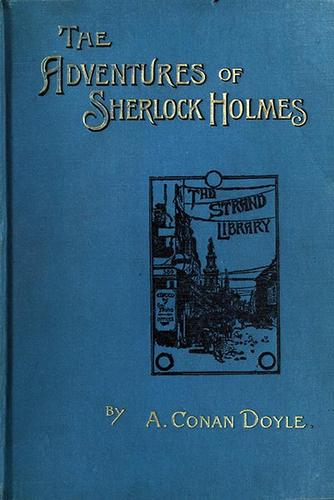
Because each case stands entirely on its own, it is a remarkably forgiving book to dip into between other reads. On Open Library, readers give it a rating of 4.16 out of 5 from 171 ratings, which feels entirely earned given how briskly the prose moves. You can easily find The Adventures of Sherlock Holmes available as downloadable e-books for e-readers or for direct online browser reading across almost all major public-domain archives.
H. G. Wells’s influential novella popularized the concept of time travel in fiction, establishing a narrative device that writers have been refining ever since. When the Time Traveller sits down to explain his journey to the year 802,701, he launches a story that functions as both a thrilling adventure and a sharp Victorian social critique. Sitting down with this short book late one evening, I was struck by how little the prose has aged compared to many of its Victorian contemporaries, moving along with remarkable speed.

At a brief typical length of about 120 pages, it is an exceptionally brisk read that sits comfortably as best for early science-fiction enthusiasts. The story holds a reader rating of 4.02 out of 5 from 126 ratings on Open Library, proving its enduring appeal among modern readers. Because it is widely available free online in short, accessible e-book formats, you can easily load it onto a phone or e-reader for an afternoon’s reading without spending a penny.
Beyond its entertaining narrative of Eloi and Morlocks, the book serves as a foundational work of modern science fiction in the public domain. It set the template for speculative fiction about humanity’s far future, showing how genre stories could tackle big ideological questions about class and evolution. For anyone building a digital shelf of fundamental speculative fiction, returning to Wells offers a fascinating look at where the genre’s defining tropes first took root.
Bram Stoker’s defining epistolary Gothic horror novel, Dracula, first published in 1897, remains one of the most prominent fixtures across public-domain catalogs. Sitting at roughly 384 pages, the book holds a reader rating of 3.97 out of 5 from 238 ratings on Open Library. It sits firmly as a best choice for classic horror readers wanting to see where the modern vampire narrative truly consolidated its power.

The story is told entirely through diary entries, letters, phonograph transcriptions, and newspaper clippings. This fragmented style makes the book unusually approachable on modern devices, as the short, dated entries suit quick digital reading sessions on phones or dedicated e-readers remarkably well.
Because its copyright has expired in most jurisdictions, the full text is free to access legally across major ebook repositories. You can pick it up in various digital formats, including ePub, Kindle files, and plain text, or simply stream the chapters in a web browser.
Miguel de Cervantes’s masterpiece is a foundational world classic, charting the absurd, heartbreaking, and deeply funny adventures of an aging nobleman who reads far too many chivalric romances and loses his mind. Clocking in at about 795 pages, Don Quixote is the ultimate meta-novel, dissecting reality, illusion, and storytelling itself long before modern metafiction thought it invented the trick. It suits patient readers who enjoy satirical wit and episodic journeys, as well as anyone looking to tackle one of the true pillars of Western literature.

Because the original text was published in 1605, the novel sits firmly in the public domain and is available free across global digital repositories. English readers seeking historical translations can easily find digital editions on major archives such as Project Gutenberg and the Internet Archive. If you prefer to read the text in its original Spanish, native editions are heavily featured in specialized collections like the Biblioteca Virtual Miguel de Cervantes, offering scholars and casual readers alike complete access without spending a penny.
For lovers of ancient epic mythology, The Odyssey by Homer remains the ultimate adventure text. This foundational piece of classical literature follows the Greek hero Odysseus on his grueling ten-year journey home to Ithaca after the fall of Troy. Along the way, he encounters mythical beasts, vengeful gods, and treacherous seas, making it an enduring tale of resilience, cunning, and home-seeking.

Because the original text dates back to antiquity, Homer’s epic is available online in multiple historical public-domain translations. Readers looking to explore classical literature can gain free access through open archives like Project Gutenberg and Wikisource. Sampling different public-domain translations, such as those by Samuel Butler or Alexander Pope, allows you to find a prose or verse style that best suits your reading taste before committing to the full voyage.
When we want to pluck a standard public-domain classic off the digital shelf, Project Gutenberg remains our first port of call. It currently offers 79,116 free eBooks, focusing primarily on older works whose U.S. copyright has expired. We regularly rely on Gutenberg’s simple plain-text files when checking Victorian dialogue, as there are no flashy site distractions to get in the way of a quick search. If you prefer a platform that lets you grab free, legal public-domain downloads without needing to create an account or sign up for anything, Elejandría is another delightfully hassle-free option.
For sheer scale, the Internet Archive sits in a category of its own. It hosts more than 20,000,000 books and texts available for free reading and download, spanning everything from early printings to obscure pamphlets. Operating as part of the Internet Archive, Open Library takes on the ambitious goal of creating an open web page for every published book ever released, linking readers directly to borrowable digital copies and public-domain files.
If you are looking for community-curated material, Wikisource provides original public-domain source texts and translations built collaboratively by volunteers. Because it operates on the same open model as Wikipedia, you get cleanly transcribed texts alongside historical translations that are ideal for browser reading.
Google Books provides a massive index of searchable full text, but it helps to understand what it actually is before diving in. It operates primarily as a comprehensive search index rather than a dedicated free digital library. Within its search results, you will find a broad mix of full-view public-domain works, limited publisher previews, and fully copyrighted texts with restricted access. To locate complete classic novels without constantly hitting snippet view limits or snippet-only walls, you need to filter your searches specifically for full-view availability.
For readers looking beyond the English-language canon, dedicated regional and language archives offer a far better curated experience. The Biblioteca Virtual Miguel de Cervantes serves as a major digital resource for classic Spanish-language literature, giving readers direct access to landmark works such as Miguel de Cervantes’s Don Quixote. Specialized archives like this ensure that world literature is preserved legally and made available in clear, reliable formats.
If you prefer well-designed files over raw archive scans, platforms that refine existing public-domain texts are worth looking into. Standard Ebooks takes public-domain works sourced from Project Gutenberg and formats them into polished, high-quality modern ebook designs. By updating typography, building elegant digital covers, and applying consistent styling to titles like Jane Austen’s Pride and Prejudice, they turn raw transcriptions into beautifully prepared digital volumes ready for modern e-readers.
When raiding public-domain digital libraries, you will find that the underlying text comes wrapped in a few different file types. Most major catalog sites offer titles in a variety of options, including PDF, EPUB, MOBI, Kindle-ready formats, and plain text. Choosing between them mostly comes down to where and how you intend to read.
Reading directly in your web browser is the easiest route if you want to dive straight into a story without cluttering your device storage. Most modern archives let you view the full text on screen, which works seamlessly across desktop computers, tablets, and smartphones without needing any extra software or apps. It is a brilliant option for a quick reference or a lunch-break chapter of Pride and Prejudice, though it does require an active internet connection to keep turning pages.
For a proper, long-form reading session, downloading EPUB or MOBI files is usually the better choice. Saving these files to a dedicated e-reader or a phone app gives you full offline access, which is handy when traveling. These dedicated ebook formats also unlock adjustable typography, allowing you to tweak font sizes, line spacing, and margins to suit your eyes. Plain text and PDF downloads are always available as reliable fallbacks, but EPUB remains the gold standard for comfortable digital reading.
Reading with your eyes is entirely optional when it comes to out-of-copyright literature. Public-domain voice recordings allow readers to listen to classic literature online free of charge, making it straightforward to work your way through monumental works while doing the washing up or walking the dog. Because the underlying texts are legally in the clear, these recordings can be shared and kept without subscription paywalls or library waiting lists.
The vast majority of these free audiobooks exist thanks to community efforts. Platforms like LibriVox bring together volunteers who record open-license audiobooks using public-domain texts. Audio quality and performance styles vary depending on who has taken to the microphone, but you will find complete, unabridged recordings for a huge range of titles, including classics like Dracula and The Adventures of Sherlock Holmes, all ready to stream or download.
Beyond standard full-length adult fiction, specialized online archives cater to more specific reading needs. Dedicated collections exist specifically for classic children’s literature, short stories, and foundational world works. Whether you are searching for early illustrated fairy tales or ancient historical epics, these focused digital libraries ensure that niche regional and gateway titles remain every bit as accessible as the heavyweights of the Victorian canon.
Not every digital copy of an old book is created equal, and we have all suffered through atrocious formatting errors or bizarre line breaks when downloading a hasty file scan. When we picked up a free digital copy of The Odyssey last year, the archaic Victorian phrasing made an already epic journey feel twice as long. Translation dates are crucial when choosing free classics: public-domain translations of world literature like Homer or Miguel de Cervantes’ Don Quixote were often executed in the nineteenth century, leaving them with stiff, dusty prose that differs wildly from modern commercial editions.
For English-language novels like Bram Stoker’s Dracula or Charles Dickens’ Great Expectations, layout and typography carry the day. Opting for clean digital platforms like Standard Ebooks over raw text dumps gives you properly typeset pages, active tables of contents, and careful typo corrections. It takes a file that feels like an unformatted database export and turns it back into a genuine pleasure to read.
Finally, always check how a digital archive handles its rights. You should look for established providers that explicitly confirm a title’s public-domain status rather than opaque file-sharing hubs hosting unauthorized uploads. Legitimate platforms will clearly state their legal framework, ensuring you avoid dubious downloads and stay entirely on the right side of copyright law.
Project Gutenberg is widely considered the top site for free classic books due to its expansive, legal public-domain library. The platform offers 79,116 free eBooks focused primarily on older works where U.S. copyright has expired. Readers can download texts in ePub, Kindle, or plain text formats, or simply read full books directly within their web browser.
You can read books for free by visiting digital archives that host public-domain literature legally. Large online repositories such as Project Gutenberg, the Internet Archive with over 20,000,000 texts, and Open Library allow you to read full books in your web browser. Alternative platforms like Elejandría provide free legal downloads in PDF or ePub formats without requiring registration.
While no single canonical list exists, ten of the most popular public-domain classics online are Pride and Prejudice by Jane Austen, Jane Eyre by Charlotte Brontë, and Wuthering Heights by Emily Brontë. Other widely read titles include Great Expectations, The Picture of Dorian Gray, Dracula, The Time Machine, Little Women, Moby-Dick; or, The Whale, and The Adventures of Sherlock Holmes.
This page is maintained by Book Lord, editor of Escape Into Books.
Covers, author credits and reader ratings come from Open Library, which is free and openly licensed. A rating is only shown once enough people have left one.
Nothing here is generated from a book we could not verify. Where a title could not be confidently matched, we leave the space empty rather than guess.
We re-check this page every 180 days. The review date moves only when the content actually changes, because a fresh date on unchanged text helps nobody.
Last reviewed


