Escape Into Books
Your home for book news, reviews, and bookish fun. Follow along on Facebook.
Escape Into Books
Your home for book news, reviews, and bookish fun. Follow along on Facebook.


Ryan Condal shares insights on the fourth and final season of House of the Dragon and his plans to move on from Westeros.
When HBO brought us back to the Seven Kingdoms for House of the Dragon, the immense weight of stepping back into Westeros after the main series ended was obvious to anyone following fantasy television. Showrunner Ryan Condal was handed the reins to adapt George R.R. Martin’s sprawling Targaryen history text, Fire & Blood, mapping out the devastating civil war known as the Dance of the Dragons. Now, with writing well underway on the fourth chapter, Condal has made it clear that he is approaching his personal finish line with the franchise.
During a podcast appearance late last year, Condal confirmed that the writing team had officially begun work on Season 4, plainly stating that it will be the show’s final instalment. In subsequent comments, he reflected on his tenure in Martin’s universe, noting, “Anything is possible, but I think I have said what I have to say about Westeros.” For readers and viewers who have followed the show’s evolution, and the tricky balance between television adaptations and prose lore, his comments signal that the endgame is firmly locked into place.
HBO has previously confirmed that Condal and his writing room are actively shaping what Season 4 will look like. Bringing the Dance of the Dragons to its natural conclusion requires managing a huge, complex array of moving parts, particularly given how many major battle sequences, tragic character arcs, and dragon skirmishes remain on the horizon from Martin’s text. If you are familiar with Game of Thrones and House of the Dragon’s broader timeline, you know that keeping a multi-season fantasy flagship on track is no small feat.
Reports detailing the upcoming final season indicate that Condal plans to go out on an expansive note. The final run of episodes is set to introduce fresh locations, new characters, and additional dragons to the screen as the civil war reaches its crescendo. Condal has also highlighted his desire to continue collaborating closely with key cast members through to the final sequence, mentioning star Emma D’Arcy as someone he is especially keen to work with as Rhaenyra Targaryen’s journey reaches its tragic zenith.
What makes Condal’s upcoming exit particularly interesting is his candidness about stepping away from the fantasy realm entirely once the show wraps up. Having dedicated years to deciphering ancient Targaryen lineages and managing massive television productions, saying everything he feels he has to say about Westeros seems like a very natural boundary. He is not resigning mid-production or stepping off the ship early; rather, he is guiding the story to its planned narrative conclusion and handing back the keys.
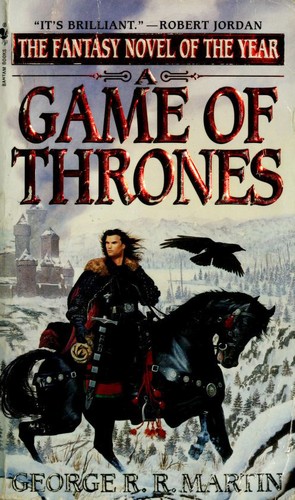
Condal’s journey on the show has naturally invited plenty of discussion among readers who hold Fire & Blood close to their hearts. Adapting an in-universe historical ledger written from the perspective of biased Maesters is fundamentally different from adapting a traditional novel like A Game of Thrones. Condal and his team frequently had to choose which historical account to trust, which gaps to bridge, and where to reshape events for cinematic drama.
That process has not always been without friction. Fans will remember George R.R. Martin’s commentary on House of the Dragon’s adaptation choices, where the author voiced thoughts on how screen changes ripple through a complex lore network. Yet, by setting a firm four-season plan from the outset, Condal has provided the show with a structural framework that many fantasy adaptations struggle to maintain.
With other Westeros projects taking shape elsewhere on television, Condal wrapping his work on House of the Dragon marks the end of a very specific era for HBO’s Targaryen storytelling. While the final season’s official air date remains unconfirmed, knowing that the narrative has a clear end-date, and a showrunner focused entirely on sticking the landing before moving on, gives the final chapter a strong, deliberate sense of purpose.


