Escape Into Books
Your home for book news, reviews, and bookish fun. Follow along on Facebook.
Escape Into Books
Your home for book news, reviews, and bookish fun. Follow along on Facebook.


Discover the insider tricks that can help turn a book into a bestseller.
When you pick up a book from a display table or click through a digital store, it is easy to assume your choice is purely spontaneous. Yet behind almost every bestseller lies a carefully calculated series of decisions made long before the book ever reaches a reader’s hands. From cover design and shelf position to author endorsements and targeted influencer dinners, the publishing industry relies on a precise set of trade tactics to shape what we read.
Former publisher and current literary agent Philip Gwyn Jones describes the entire apparatus as being rooted in “the art of persuasion”. That persuasion involves a chain of actors, including publishing houses, publicists, booksellers, supermarket stock buyers, and online content creators. Together, their subtle nudges guide readers towards specific titles during key sales windows.
A book’s physical or digital appearance is often its first test. Cover designer Jamie Keenan notes that designs are routinely focus-grouped and submitted to major stock buyers before publication. Retail giants hold significant sway over what ends up on front covers; if a major supermarket or high-street chain objects to a palette or layout, publishers will frequently change it to secure prime placement.
The rise of digital storefronts has accelerated specific visual trends. Keenan explains that the need for covers to remain clear as tiny thumbnail images on screen has driven a shift towards simple emblems, bright saturated colours, and bold typography. While this makes individual titles pop on a phone screen, industry insiders note it can create a uniform look on shop shelves where dozens of bright fiction titles compete for attention.
Publishers also rely heavily on “comparable titles”, design briefs intended to make a new release look like an established hit. This leads to distinct visual patterns across subgenres:
Once a cover catches a reader’s eye, the text on the back cover takes over. Commercial copywriters design blurbs to capture attention within seconds. To do this, copywriters often map storylines onto classic narrative frameworks, such as those outlined in Christopher Booker’s The Seven Basic Plots, presenting stories as familiar yet distinct.
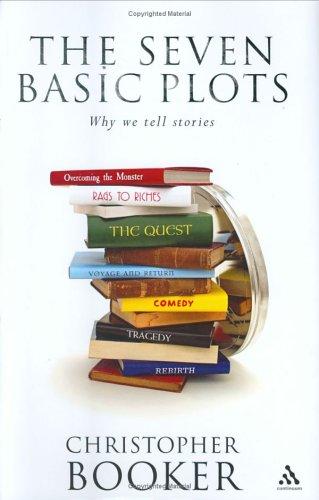
Copywriter Louise Willder, author of Blurb Your Enthusiasm, points out that industry language evolves constantly to maintain reader interest. Classic descriptions like “moving” are upgraded to “deeply moving”, while terms like “witty” give way to “whip-smart”. Copywriters also account for modern browsing habits, structuring text for eyes that skim across paragraph tops in an F-pattern.
When an author’s work falls outside dominant commercial trends, publicists may package the blurb to highlight elements that appeal to current market tastes. A dark thriller, for instance, might be framed around its intricate puzzle or British setting to align with the current demand for lighter mysteries on supermarket shelves. These positioning strategies become particularly vital when aligning titles with the seasonal surges seen in key autumn book releases.
Cover quotes from high-profile authors remain a staple of book packaging, though their true audience is often retail buyers rather than general readers. Endorsements from trusted names signal to booksellers that a title is worth supporting. Certain prolific authors pop up far more frequently than others; a commercial copywriter noted that authors like Stephen King are frequently sought out for cover quotes because of their immediate brand recognition. Readers interested in King’s own reflections on his bibliography can explore where Stephen King considers Lisey’s Story his favourite novel.
Physical visibility inside shops remains critical. While placement on supermarket charts has historically involved paid promotional fees from publishers, high-street booksellers like Waterstones rely heavily on individual store teams reading advance copies. Independent booksellers, such as Daunt Books manager Brett Wolstencroft, emphasise that personal recommendations and curated window displays build genuine trust with shoppers.
Building a bestseller is rarely a sudden event. For flagship releases, publicity campaigns start well over a year before publication. Publicists organise exclusive dinners to introduce authors to influential reviewers, booksellers, and digital content creators, sometimes pairing debut writers alongside established names to generate early momentum.
Publishers also schedule publication dates strategically to ensure titles fall within specific eligibility windows for major industry awards. While these promotional efforts require significant investment, industry figures insist that marketing alone cannot sustain a book’s long-term success. Authenticity remains key, especially at a time when broad financial shifts influence retail performance, as seen in wider market data like US publishing revenue metrics. As publicists and booksellers alike observe, genuine enthusiasm from early readers is still the ultimate engine behind any lasting bestseller.


