Escape Into Books
Your home for book news, reviews, and bookish fun. Follow along on Facebook.
Escape Into Books
Your home for book news, reviews, and bookish fun. Follow along on Facebook.


HBO has officially confirmed a second season for IT: Welcome to Derry, focused on Derry's dark past during the Great Depression.
HBO has officially greenlit a second season of IT: Welcome to Derry, committing to another chapter in the television expansion of Stephen King’s universe. Following strong viewership and critical reception for its debut season, the prequel series will return to continue tracing the dark history of Maine’s most cursed town.
For those tracking the timeline of Derry, the most interesting aspect of the renewal is where the story goes next. Season 2 will jump back 27 years to 1935, shifting the setting to the height of the Great Depression. The official synopsis confirms that the new season will focus on the infamous Bradley Gang massacre, a bloody piece of local history mentioned in King’s original 1986 novel IT. When a gang of notorious bank robbers stops in Derry to purchase ammunition, they walk straight into a coordinated ambushing townspeople and an encounter with the sinister force lurking beneath the streets.
Anyone familiar with King’s novel knows that Pennywise operates on a strict sleep cycle, awakening roughly every 27 years to feed before sinking back into hibernation. In the text, Mike Hanlon meticulously documents these historical cycles through interviews with Derry’s older residents. The 1935 shootout with the Bradley Gang stands out as one of the major historical spikes in violence that mark the creature’s awakening.
By jumping back 27 years from the events of Season 1, showrunners Andy Muschietti and Barbara Muschietti are leaning directly into the structure King established. Rather than keeping the main cast in a traditional linear narrative, the series is embracing an anthology-style approach across different eras of the town’s history. If you are new to the series, this structure gives the writers room to explore distinct historical periods while keeping the core supernatural threat intact.
Though Stephen King has previously suggested that IT is too terrifying for a prose sequel, television provides a completely different playground. Because the original novel is already packed with interludes detailing Derry’s past disasters, such as the Kitchener Ironworks explosion and the Black Spot fire, the television adaptation has a rich backlog of tragic lore to draw from.
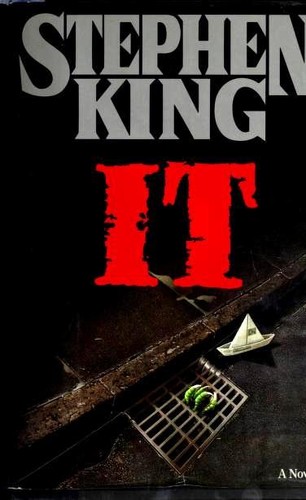
Unlike standard book adaptations, IT: Welcome to Derry operates without a single prose novel acting as a direct page-by-page script. Early in 2026, HBO chief Casey Bloys noted that the creative team was actively building out the narrative for a second season without being tethered to a rigid source text.
speaking on the future of the show before the renewal was finalised, Bloys stated that the network would
“happily”
proceed with a second season, adding that the show was
“not in limbo at all”
while the Muschiettis worked on shaping the story arc.
That freedom opens up intriguing possibilities for how the production team approaches world-building. Adapting these historical fragments into full-length season arcs allows the show to examine how the town’s collective corruption develops over decades. For those interested in how educators and scholars frame King’s depiction of Derry, seeing the town through the lens of the 1930s offers a fresh look at its economic struggles and societal fractures during the Depression era.
The first season established a solid baseline with critics and viewers alike, holding an 80% critic score and an 82% audience score on Rotten Tomatoes. With the confirmation of Season 2, the production moves into expanding the scale of Derry’s past horrors.
While full production schedules and further casting updates for the 1935 storyline remain under wraps, the thematic focus is clear. By grounding the narrative in documented historical atrocities from King’s lore, the series continues to build a comprehensive historical record of Maine’s most troubled fictional setting.


