Escape Into Books
Your home for book news, reviews, and bookish fun. Follow along on Facebook.
Escape Into Books
Your home for book news, reviews, and bookish fun. Follow along on Facebook.


Explore the essential must read books for September 2026, from brand new titles to timeless classics.
If you are scanning the shelves for the must read books out this month, you have arrived at the right moment. The autumn publishing push is traditionally heavy on high-profile hardbacks, and September 2026 brings an extraordinarily busy landscape of brand-new fiction, widely discussed current hits, and the foundational classics that keep our personal libraries anchored. We keep our monthly reading piles balanced precisely so we do not spend all our time chasing the newest shiny spine while ignoring the books that actually stand the test of time.
This guide is arranged into three distinct sections to help you navigate through the noise. We have gathered 16 titles in total, clearly separated so you can jump straight to brand-new September arrivals, check out the titles dominating current conversations, or drop down to the evergreen masterpieces every reader ought to experience at least once. I spent three hours sorting through the latest autumn catalogue stack before paring our selections down to the handful of books truly worth your reading time. Whether you want a sharp contemporary thriller or a long weekend spent with modern literary giants, everything here earns its place on merit alone.
| Book | Author | First published |
|---|---|---|
| Fury In Death: An Eve Dallas thriller (In Death 63) | J. D. Robb | 2026 |
| Agrippa | Robert Harris | 2026 |
| Tom Clancy Pressure Depth | Jack Stewart | 2026 |
| It’s Not What You Think | Clare Mackintosh | 2026 |
| The Name Game | Beth O’Leary | 2026 |
| The Missing Family | Tim Weaver | 2024 |
| The Secret of Secrets | Dan Brown | 2025 |
| The Love Hypothesis | Ali Hazelwood | 2021 |
| Boleyn Traitor | Philippa Gregory | 2025 |
| To Kill a Mockingbird | Harper Lee | 1960 |
| 1984 | George Orwell | 1949 |
| Pride and Prejudice | Jane Austen | 1813 |
| Beloved | Toni Morrison | 1987 |
| The Great Gatsby | F. Scott Fitzgerald | 1925 |
| Jane Eyre | Charlotte Brontë | 1847 |
| Things Fall Apart | Chinua Achebe | 1958 |
Here are the notable new releases for September 2026. Publishing schedules move quickly, and fresh titles arrive on bookshop tables every week, so we update this particular selection regularly as the newest hardbacks and paperbacks land. Whether you are hunting for a fresh autumn story or tracking the big late-year publishing arrivals, these are the key fresh releases worth keeping on your radar right now.
First published 2026
Landing straight into the charts upon its release on 1 September 2026, Fury In Death: An Eve Dallas thriller (In Death 63) by J. D. Robb has swiftly claimed the number 2 spot on the Apple Books UK top-paid chart under Crime & Thrillers. Reaching sixty-three books in a single series is an extraordinary milestone, yet Robb shows no signs of slowing down her long-running futuristic police saga.

Reading through Eve’s latest case, I found myself thoroughly entertained by the familiar, comfortable rhythm of her banter with Roarke alongside the systematic unravelling of the central mystery. The appeal of this series has always rested on its balance between procedural grit and character familiarity, giving readers a dependable fix of suspense mixed with long-standing personal relationships that have developed over decades of publishing.
What makes this entry stand out among current thriller offerings is its sheer dependability for genre enthusiasts looking for a fresh release this month. While newcomers might feel a slight hesitation at stepping into a storyline with sixty-two books of backstory behind it, Robb designs these cases so that the core investigation can be enjoyed on its own merits without needing a homework assignment beforehand. That said, long-time followers will naturally appreciate the subtle nuances in character growth and established team dynamics far more deeply. If you want a confident, fast-moving crime story to kick off your reading list, this latest investigation delivers exactly the slick storytelling and steady pacing you would expect from the franchise.
First published 2026
Borrow or find an edition on Open Library
A new release from Robert Harris is always a notable event in the publishing calendar, and Agrippa arrives on 1 September 2026 with considerable momentum behind it. Landing straight into the number 5 spot on the Apple Books UK top-paid chart across Crime & Thrillers, Books, and Fiction & Literature, it has immediately caught the attention of readers looking for compelling new releases this month. Harris has long established himself as a master of weaving historical detail with sharp, tension-filled storytelling, making any new book from him an instant talking point among fiction enthusiasts.

What makes his work consistently popular is the ability to ground grand political drama in sharp character studies, delivering tight narratives that move with the momentum of a contemporary thriller. Readers who pick up Agrippa can expect that same polished execution and careful research that defined his earlier historical works. It suits anyone who enjoys intelligent fiction where power struggles, quiet intrigue, and sweeping historical backgrounds take centre stage, offering a rich reading experience that feels both grounded and deeply engaging.
If you are weighing up what to pick from the current crop of fresh releases, this title stands out as one of the month’s major heavyweights. Having hit shelves on 1 September 2026 and quickly established its position near the top of the digital charts, Agrippa is a natural choice for readers who appreciate seasoned, authoritative storytelling. It requires no previous homework to appreciate, serving as a clean, engrossing addition to any reading list this autumn.
First published 2026
The Tom Clancy universe rolls on with a fresh entry for readers who like their political thrillers packed with high-stakes military hardware, sub-surface tension, and geopolitics. Authored by Jack Stewart, Tom Clancy Pressure Depth arrives fresh on shelves this month, published on 1 September 2026. It has already made a swift impact on the digital charts, landing straight at Number 6 on the Apple Books UK top-paid chart within the Crime & Thrillers category.
For those familiar with the modern iteration of the Clancy brand, the expectations here are clear and well-defined. Jack Stewart picks up the mantle to deliver the kind of procedural detail, tactical authenticity, and global choreography that fans of the franchise demand. It is a formula designed for readers who want precise military terminology alongside calculated narrative escalation, trading in high-tension scenarios where technical expertise is just as vital as combat readiness.
If you are deciding whether to add this to your reading queue this month, it suits anyone looking for an engrossing, plot-driven thriller to sink into over a weekend. While long-standing followers of the Jack Ryan universe will find themselves on familiar ground, it also serves quite happily as a standalone pick for genre fans who enjoy deep-sea suspense and modern military fiction. It delivers precisely what it sets out to do without lingering unnecessarily on the sidelines.
If you want to know what readers are actually picking up this very minute, this is where the conversation is happening. These are the titles dominating the bestseller charts, turning heads on award shortlists, and landing screen adaptations. Rather than fresh off the press today, these books are the ones currently generating noise across bookshops and reading groups, driven by momentum, high sales, and widespread word of mouth.
First published 2026Chart #1 on Apple Books UK
Clare Mackintosh has a knack for pulling the rug out from under readers just as they think they have found their footing, and It’s Not What You Think delivers exactly that familiar, satisfying sense of narrative whiplash. We settled into this one expecting a standard procedural puzzle, only to find ourselves rapidly flipping back three chapters to see how on earth we missed the crucial tell. It is a slick, sharply paced crime novel that plays entirely to the strengths of a writer who knows precisely how police investigations function and how easily a reader’s assumptions can be turned against them.

Published on 26 March 2026, the book hit the ground running and has lost none of its momentum. It currently sits comfortably at Number 1 on the Apple Books UK top-paid chart across the Crime & Thrillers, Books, and Police Procedural categories. That kind of digital dominance is no small feat, but it makes complete sense given how tailor-made the writing is for a single-sitting binge. Mackintosh keeps the tension high without resorting to cheap melodrama, offering a story that feels grounded in real-world investigative grit while maintaining an relentless narrative drive.
If you enjoy crime fiction where the plot twists are earned rather than simply dropped in for shock value, this is well worth your time. It suits anyone looking for an engrossing, high-stakes mystery that moves at speed, though you should probably clear your evening before starting it, this is very much the sort of novel that encourages a cheeky “just one more chapter” until you look up to find it is three in the morning.
First published 2026Chart #3 on Apple Books UK
Beth O’Leary has built a solid career on warm, modern commercial fiction with a distinct British sensibility, and her 2026 release The Name Game fits right into that groove. Published on 7 April 2026, the novel quickly found a receptive audience among readers looking for light, character-led romance with a contemporary edge.

For those tracking what is actually moving off digital shelves, it is currently sitting at number three on the Apple Books UK top-paid chart across the Romance, Books, and Contemporary Romance categories. That kind of performance tells us a lot about where readers are putting their money right now. O’Leary excels at taking familiar, comforting tropes and giving them enough fresh dialogue and emotional honesty to keep them from feeling stale.
If you are deciding whether to pick this one up, it suits anyone who wants a charming, accessible modern romance that delivers on humour and relational drama without taking itself too seriously. It is a straightforward recommendation for casual readers and dedicated romance fans alike who want to stay current with the books making waves on the bestseller lists this season.
First published 2024Chart #4 on Apple Books UK
Tim Weaver’s The Missing Family arrived on 4 July 2024, and it has maintained a relentless grip on digital bestseller lists ever since. It currently sits comfortably at number 4 on the Apple Books UK top-paid chart, holding ground across Crime & Thrillers, overall Books, and the Police Procedural categories. That kind of staying power on the UK charts usually tells you everything you need to know about a crime novel’s momentum: readers are buying it, finishing it, and immediately telling everyone else to pick it up.

There is a specific art to a proper British missing persons mystery, and Weaver has spent years sharpening his approach to the subgenre. The premise takes the inherent anxiety of a sudden disappearance and layers it with meticulous procedural detail. Rather than relying on cheap twists or dramatic gimmicks, the narrative leans heavily into the painstaking, step-by-step unravelling of secrets that defined the family before they vanished. It is the sort of puzzle where every answered question simply unearths three more unsettling questions underneath.
If you are trying to decide whether to add this one to your reading stack, it suits anyone who appreciates a tightly constructed procedural with a modern edge. It demands enough attention to keep you turning pages late into the night, but it never loses sight of the human element at the heart of a disappearance. For crime readers looking to catch up on what everyone else in the UK is reading right now, this is a thoroughly solid place to spend your time.
First published 2025Length 704 pagesChart #7 on Apple Books UK
Borrow or find an edition on Open Library
It has been a year since The Secret of Secrets by Dan Brown arrived on 9 September 2025, yet the hefty thriller remains firmly anchored in reader reading lists. Sitting at number 7 on the Apple Books UK top-paid chart across Crime & Thrillers, Books, and Fiction & Literature, it proves that the appetite for ancient secrets, secret societies, and breathless race-against-the-clock plotting shows no sign of waning. At roughly 704 pages, it is a substantial chunk of popular fiction, offering precisely the kind of dense, twist-laden narrative that readers expect whenever a new release from this particular author lands on the digital bestseller lists.

What this sprawling novel does best is deliver high-concept drama engineered for maximum page-turning efficiency. Dan Brown has spent decades honing a very specific formula filled with short, fast-paced chapter hooks, historical puzzles, and shadowy networks, and this title leans into those familiar strengths with unflagging enthusiasm. It does what a reliable blockbuster thriller ought to do: keeps the story moving at a frantic clip while peppering the plot with enough art, code breaking, and architectural detail to keep the pages flipping at a rapid pace.
Before jumping into a 704-page undertaking, readers ought to know that subtlety is not the main selling point here. Anyone searching for quiet character studies or poetic prose will likely want to look elsewhere, as the book prioritises plot twists, escalating stakes, and constant momentum above all else. For those seeking an unashamedly cinematic escape that will devour a long weekend, however, its enduring spot near the top of the charts is easy enough to understand.
First published 2021Length 398 pagesReaders 4.11/5 from 253 Open Library ratingsChart #8 on Apple Books UK
Borrow or find an edition on Open Library
There is a specific brand of comfort in a fake-dating romantic comedy that knows exactly what it wants to be and refuses to apologise for it. Ali Hazelwood’s breakout novel, The Love Hypothesis, sits squarely in that camp, taking a premise that should by all rights collapse under its own improbability and powering through on sheer charm. When I first picked it up, I expected the usual formulaic nonsense, but the absurdity of PhD candidate Olive impulse-kissing the notoriously terrifying lab tyrant Dr Adam Carlsen in a dimly lit hallway kept me genuinely entertained through a rainy Sunday afternoon. It is light, fast-paced, and entirely unconcerned with quiet realism.

Originally published on 27 September 2021, this 398-page novel proved that there was a massive, untapped appetite for romance set within the awkward, highly stressed corridors of academic research. Years after its initial splash, it remains a persistent fixture on digital bestseller lists, currently holding the Number 8 spot on the Apple Books UK top-paid chart across Romance, Books, and Romantic Comedies. Hazelwood essentially built a popular niche of her own out of women in STEM finding love despite lab politics, miserable coffee, and stubborn miscommunication, and this remains the blueprint that started the trend.
For readers weighing up whether to dive in, the book currently holds a reader rating of 4.11 out of 5 from 253 ratings on Open Library. It is best suited to anyone who enjoys the classic grumpy-versus-sunshine dynamic, fake relationships, and a healthy dose of academic angst. You do not need a doctorate in biology to follow the plot, though a high tolerance for wildly unrealistic institutional human resources policies will certainly help. It makes for an easy, lighthearted palate cleanser between heavier reads.
First published 2025Length 496 pagesChart #9 on Apple Books UK
Borrow or find an edition on Open Library
Few authors command the Tudor court quite like Philippa Gregory, and Boleyn Traitor marks another substantial return to the lethal intrigue of sixteenth-century English royalty. Published on 7 October 2025 and stretching across roughly 496 pages, the novel dives straight back into the factional warfare and high-stakes survival tactics that characterised the era. It has clearly struck a chord with readers looking for polished historical drama, holding firm at number 9 on the Apple Books UK top-paid chart across the Historical Fiction, Books, and Fiction & Literature categories.

What Gregory continues to do remarkably well is turn well-trodden history into a tense, immediate character study. Rather than simply delivering a dry chronology of royal decrees and political marriages, the narrative zeroes in on the personal betrayals, whispered alliances, and paranoia that defined life around the monarch. The sheer weight of historical precedent is balanced by sharp dialogue and a clear eye for how power operates behind closed doors, making the court feel as perilous and unpredictable to the characters as it undoubtedly was in reality.
For those considering picking it up, it suits anyone who appreciates meticulous period detail wrapped inside a gripping narrative framework. At nearly five hundred pages, it is a proper chunk of reading, but the pacing ensures it moves with purpose. You do not strictly need to be a Tudor scholar to follow the web of relationships and rivalries, though a general familiarity with the family drama of the period certainly adds to the enjoyment. It remains an ideal pick for readers who like their fiction grounded in historical reality but served with plenty of psychological tension.
New releases come and go with the changing calendar, but certain books earn a permanent place on the shelf. These are the titles that survive every passing trend, offering exceptional storytelling and deep cultural resonance. Regardless of the month or what happens to be topping the bestseller charts right now, these essential works remain firmly backed as stories that truly endure.
First published 1960Length 320 pagesReaders 4.13/5 from 268 Open Library ratings
Borrow or find an edition on Open Library
First published in 1960, Harper Lee’s To Kill a Mockingbird stands as a canonical modern classic and one of the most widely read, foundational works of modern American literature. Running to about 320 pages, the novel explores complex themes of race, justice, and childhood innocence in the American South through the perceptive eyes of young Scout Finch. Set against the quiet backdrop of a small Southern town, the narrative balances the gentle rhythm of early childhood play with the harsh realities of systemic prejudice, capturing a community forced to confront its deepest moral failings.

At the heart of the story is Scout’s father, Atticus Finch, who serves as the legal defender for Tom Robinson in a racially charged trial that exposes and defines the town’s moral fault lines. Through Atticus’s principled stance both inside and outside the courtroom, the novel contrasts the rigid social hierarchy of the era with a quiet, unyielding commitment to empathy and fairness. Watching these events unfold through Scout’s youthful perspective allows Lee to dismantle complex societal biases with remarkable clarity, making the quiet cruelty of the town impossible to ignore.
For readers keeping track of how it holds up across digital cataloguing sites, the novel maintains a reader rating of 4.13 out of 5 from 268 ratings on Open Library. It sits firmly as essential reading on justice and childhood innocence, making it a natural fit for those building a list of defining twentieth-century fiction. Before starting, it is worth keeping in mind that while Scout’s narration brings a dry wit and warmth to the early chapters, the core subject matter deals head-on with racial injustice, judicial corruption, and deep-seated bigotry. It is a deceptively simple story that demands thoughtful attention.
First published 1949
Few novels have carved themselves into the cultural vocabulary quite like 1984. Published in 1949, George Orwell’s classic defined modern dystopian fiction and handed us ubiquitous concepts such as Big Brother, doublethink, and newspeak. It is a book so deeply woven into political discourse that its terms are routinely tossed around by commentators who may never have actually opened the front cover, but the text itself remains far more chilling and precise than its endless casual citations might suggest.
The story follows Winston Smith, an unremarkable clerk living in Oceania who works at the Ministry of Truth rewriting historical records to fit the Party’s ever-shifting narrative. Winston quietly attempts to resist total political surveillance and thought control, embarking on a forbidden romance and seeking out secret resistance. I remember re-reading his tense, secretive diary entries while sitting on a crowded train, instinctively glancing over my shoulder at the passengers nearby. Orwell treats the mechanics of state control not as grand sci-fi spectacle, but as a grinding, claustrophobic daily reality of grey food, broken elevators, and inescapable telescreens.
What makes the novel an enduring fixture on reading lists is its uncanny habit of feeling immediately urgent all over again every few years. Whenever public debates over state surveillance, online privacy, and political control reach a peak, 1984 consistently resurfaces on monthly bestseller lists as readers turn to it for context. While modern publishing analysts endlessly debate how to create a bestseller through market trends, Orwell achieved permanent shelf life simply by diagnosing the dark mechanics of power so clearly that history keeps proving him right. It is not a comforting read, but for those seeking the premier dystopian political novel, it remains the absolute standard.
First published 1813Length 351 pagesReaders 4.21/5 from 402 Open Library ratings
Borrow or find an edition on Open Library
First published in 1813, Jane Austen’s Pride and Prejudice remains an enduring benchmark for romantic comedy and social commentary. Set against the rigid expectations of Regency-era England, the story focuses on the sharp-witted Elizabeth Bennet and the proud, wealthy Fitzwilliam Darcy. What starts as a classic conflict of mutual misjudgment and bruised pride slowly unwinds into one of the finest love stories in the English language, filled with observational humour that feels as fresh today as it did when it first landed on bookstore shelves.

At a typical length of about 351 pages, the novel moves along at a brisk pace that belies its thematic weight. Austen uses the romantic anxieties of the Bennet family to explore financial insecurity, class snobbery, and the limited choices open to women of the period. Every minor figure, from the self-important Mr Collins to the domineering Lady Catherine de Bourgh, provides brilliant comic relief while driving the central conflict forward. The book holds a reader rating of 4.21 out of 5 from 402 ratings on Open Library, confirming how consistently it resonates across generations of readers.
This is essential reading for anyone tracing the history and evolution of modern character-driven fiction. Almost every contemporary enemies-to-lovers storyline and sharp romantic comedy relies on the blueprint Austen established here. It suits anyone who enjoys clever dialogue, perceptive satire, and characters who earn their personal growth the hard way.
First published 1987Length 321 pagesReaders 3.91/5 from 75 Open Library ratings
Borrow or find an edition on Open Library
Toni Morrison’s 1987 masterpiece explores trauma, memory, and the haunting aftermath of American slavery with an extraordinary, lyrical intensity. The story centres on Sethe, an escaped enslaved woman living in post-Civil War Ohio who finds her home literally and emotionally haunted by the ghost of her deceased daughter. It stands as a profound examination of how past atrocities refuse to stay buried, shaping the domestic lives and psychological landscapes of those who survived them.
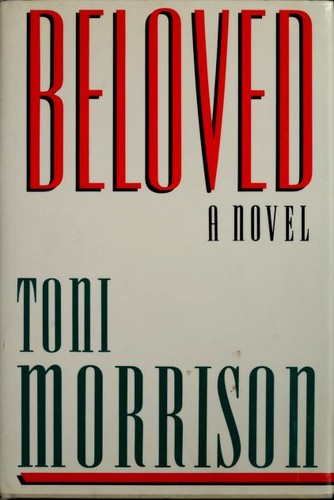
Clocking in at about 321 pages, the novel is widely recognised as a supreme achievement in 20th-century literature and historical narrative. Morrison delivers a story that operates simultaneously as a ghost story, a harrowing historical record, and a devastating character study. It currently holds a reader rating of 3.91 out of 5 from 75 ratings on Open Library, reflecting its position as a deeply respected work that demands careful, engaged reading.
This is a title best suited for literary fiction readers seeking intense historical power rather than a light afternoon distraction. Morrison’s prose is beautifully intricate, but she does not shy away from the brutality of her subject matter. For anyone looking to build a shelf of enduring modern classics, Beloved remains an essential piece of fiction that stays with you long after the final page.
First published 1925Length 185 pagesReaders 3.97/5 from 244 Open Library ratings
Borrow or find an edition on Open Library
First published in 1925, F. Scott Fitzgerald’s concise masterpiece remains one of the sharpest examinations of ambition, obsession, and the gilded hollows of the Jazz Age American dream. The story is filtered through the watchful eyes of Nick Carraway, a newcomer to Long Island who finds himself slowly pulled into the orbit of his enigmatic neighbour, Jay Gatsby. What begins as curiosity soon spirals into an intimate observation of Gatsby’s desperate, romantic obsession with Daisy Buchanan, set against a backdrop of reckless extravagance and social posturing.

At about 185 pages, The Great Gatsby sits comfortably as a quick, atmospheric read on wealth and disillusionment. It proves that a novel does not need immense physical heft to leave a permanent mark on the literary landscape. On Open Library, the book maintains a solid reader rating of 3.97 out of 5 from 244 ratings, reflecting its enduring appeal to contemporary readers who revisit its shimmering, tragic surfaces. Fitzgerald’s prose is razor-sharp, cutting through the glamour of the 1920s to reveal the fragile compromises underneath.
This remains a standard recommendation for readers looking for short, high-impact classic prose. It suits anyone who appreciates precise phrasing, tightly woven drama, and characters who are as deeply flawed as they are memorable. If you want a masterclass in mood and structure that can easily be devoured in a single afternoon, Fitzgerald’s slender classic is precisely where you should turn.
First published 1847
Charlotte Brontë’s 1847 landmark introduced a fiercely independent, morally steadfast orphan protagonist who reshaped how fiction handles personal integrity. Watching Jane navigate the cold cruelty of Lowood School before arriving at Thornfield Hall as a governess, I remember feeling a distinct jolt when her quiet internal steel completely overrode the social expectations of her era. Rather than playing the passive victim of circumstance, Jane demands respect on her own terms, insisting on her self-worth regardless of her lower status and lack of fortune.
The novel thrives on its incredible atmosphere, expertly balancing gothic mystery with a passion-filled central narrative involving the brooding, complex Mr. Rochester. Thornfield is a place of shadows, unexplained laughter, and sudden fires, giving the central romance an edge of constant danger. Yet Brontë never allows the gothic melodrama to swallow her character study; Jane’s moral dilemmas and intellectual sparring with Rochester remain the heart of the book, keeping the stakes firmly grounded in human consequence.
This is a story that established many of the foundational tropes used in modern gothic romance and psychological fiction. It suits anyone who wants a classic that feels startlingly modern in its psychological depth, far removed from polite Victorian sitting-room drama. If you are preparing to read it for the first time, simply give yourself over to its deliberate pacing. Brontë takes her time building Jane’s internal life, and the reward is one of the most compelling voices in nineteenth-century literature.
First published 1958Length 192 pagesReaders 3.93/5 from 95 Open Library ratings
Borrow or find an edition on Open Library
First published in 1958, Chinua Achebe’s postcolonial masterpiece Things Fall Apart remains an essential piece of global reading that fundamentally reframed modern African literature for international audiences. Running to a concise typical length of about 192 pages, this novel packs a profound thematic punch that continues to resonate with readers exploring foundational works of world fiction. On Open Library, it holds a reader rating of 3.93 out of 5 from 95 ratings, reflecting its enduring position as a cornerstone text in postcolonial studies and historical fiction alike.

The story chronicles traditional Igbo society in Nigeria both immediately before and during the arrival of European colonisers. At the heart of the narrative is Okonkwo, a proud warrior and community leader whose life and status are meticulously built upon traditional values of physical strength, ambition, and societal duty. As external cultural collision intensifies with the arrival of British missionaries and colonial governance, Okonkwo finds his authority waning and his world steadily unravels. Achebe presents Igbo culture with remarkable detail and objectivity, showing its rich traditions, governance, and social complexity alongside its internal rigidities, rather than painting a simple or idealised picture.
For those looking to build a well-rounded library of enduring literary classics, Achebe’s work is indispensable. It sits as an ideal choice for readers exploring postcolonial literary masterpieces and those eager to understand how African writers reclaimed their own narratives from colonial perspectives. Before picking it up, readers should keep in mind that the book deals directly with the painful friction between old traditions and forced social change. It does not offer easy comfort, but instead delivers a moving, dignified examination of community, personal identity, and inescapable historical upheaval.
When you scan through a guide to the best books arriving in any given month, it helps to know what actually makes the cut. Readers usually expect a monthly roundup to consist entirely of brand-new hardcovers fresh off the printing presses, but the reality of publishing schedules is somewhat broader. A standard monthly list often mixes high-profile hardbacks with first-time paperback editions, updated reissues, and titles making their local debut after an earlier international release. A paperback release of a major novel might be arriving months after its original trade run, yet it remains very much a new release for readers who wait for lightweight editions.
It is also worth remembering that publication dates are notoriously slippery things. A book slated for the first week of a month can easily slide into the next due to supply chain hiccups, printing delays, or altered publicity windows. This is why certain titles end up appearing in multiple monthly previews or shifting between late summer and early autumn lists. When we compile these roundups, we keep an eye on those moving targets, but a little patience is occasionally required if a publisher moves the goalposts at the eleventh hour.
Finally, readers often conflate critical acclaim with sheer commercial numbers. A book dominating the top of the bestseller charts has undoubtedly captured the public imagination, but editorial recommendations focus on quality, narrative ambition, and lasting value rather than raw register data alone. Distinguishing between sales momentum and genuine literary merit is the best way to set your expectations before picking up a new title.
Deciding what to pull from the stack often comes down to what kind of reading experience is required at any given moment. Brand-new releases capture current cultural conversations in real time, offering the unique thrill of reading a story alongside thousands of others and participating in the immediate buzz. Classic picks, on the other hand, guarantee proven narrative value. Choosing a book that has weathered decades, such as To Kill a Mockingbird by Harper Lee or 1984 by George Orwell, removes the element of gambling on an unknown quantity. The structural craft, thematic resonance, and staying power have already been thoroughly tested by time.
Timing in the publishing calendar also plays a significant role in making this choice. Literary roundups in September frequently highlight heavyweights aiming for fall award consideration, as publishers strategically deploy their most ambitious novels just ahead of the major prize season. This means autumn release lists are usually stacked with prominent authors and high-concept fiction competing directly for critical attention. While these titles represent the cutting edge of contemporary publishing, they can occasionally feel overwhelming in their sheer volume and competing claims of greatness.
A sensible strategy for maintaining a balanced reading stack is pairing a newly published title with an established canonical work. Matching a fast-paced current release or a fresh award contender with an enduring classic like Jane Austen’s Pride and Prejudice or Toni Morrison’s Beloved balances modern buzz with deep literary quality. This approach prevents reader fatigue, allowing the excitement of novel ideas to sit side by side with the reassurance of a masterpiece that has nothing left to prove.
The top books commanding attention right now include major September 2026 fiction arrivals alongside established bestsellers. Readers looking for current buzz should check out Richard Osman’s We Chase Shadows, which arrived on 1 September, alongside fantasy release Burn of the Everflame and high-profile fiction from Marlon James, Chloe Benjamin, Deesha Philyaw, and Min Jin Lee, whose novel American Hagwon explores the Korean diaspora. For romance and mystery fans, Ali Hazelwood’s The Love Hypothesis continues to draw readers alongside historical titles like Philippa Gregory’s Boleyn Traitor. Keep in mind that top-ten lists often blend brand-new hardbacks with recent paperback releases, so publication dates can vary slightly across platforms.
The defining must-read books this season span both anticipated September releases and enduring literary classics. If you want brand-new releases, Emily St. John Mandel’s Exit Party arrives on 15 September 2026, while Rachel Gillig offers fantasy readers The Knave and the Moon, the second entry in The Stonewater Kingdom series. Jodi Picoult’s Hollow Bones also stands out as a key novel inspired by a PostSecret thread about 9/11. If you prefer long-term staples with proven staying power, you cannot go wrong with foundational classics like To Kill a Mockingbird by Harper Lee, 1984 by George Orwell, or Pride and Prejudice by Jane Austen.
Nonfiction highlights for September 2026 feature high-profile memoirs, history, biography, and cultural commentary from major writers. Highlighting the month’s non-narrative arrivals are forthcoming titles from classical scholar Emily Wilson and investigative journalist Robert Kolker, both featured prominently in current fall previews. Industry roundups for the month highlight two standout memoirs, an essay collection, two deep histories, four works of cultural commentary, a dedicated art and design book, a volume on creative craft, and three distinct food-writing titles. When browsing monthly nonfiction guides, check specific release dates, as publishers occasionally shift publication days or mix early previews with titles that are already sitting on shop shelves.
Best Sci Fi Books: September 2026 and Where to Start

 Game of Thrones Books in Order, and Where Winds of Winter Stands

 Every Stephen King Book in Chronological Order

 The Most Banned Books in American Schools and Libraries
This page is maintained by Book Lord, editor of Escape Into Books.
Covers, author credits and reader ratings come from Open Library, which is free and openly licensed. A rating is only shown once enough people have left one.
Nothing here is generated from a book we could not verify. Where a title could not be confidently matched, we leave the space empty rather than guess.
We re-check this page every 14 days. The review date moves only when the content actually changes, because a fresh date on unchanged text helps nobody.
Last reviewed


