Escape Into Books
Your home for book news, reviews, and bookish fun. Follow along on Facebook.
Escape Into Books
Your home for book news, reviews, and bookish fun. Follow along on Facebook.


Find the perfect starting point for exploring Stephen King's vast bibliography.
Deciding where to start with Stephen King can feel surprisingly daunting when you are staring at a bibliography that spans well over 60 novels. With five decades of publishing history behind him, finding the right door into his work comes down to knowing what kind of story you actually want to read, rather than just grabbing his most famous title off the shelf. This guide breaks down twelve ideal starting points for newcomers, matching specific books to your precise reading tastes so you can find an entry point that clicks immediately.
When I first sorted my own collection of his paperbacks by publication order, I quickly realized that starting with his biggest cultural juggernauts can backfire for new readers. Books like It or The Stand are brilliant, sweeping epics, but their sheer length and sprawling cast lists mean they are not always the most forgiving entry points if you simply want to test the waters before committing to a thousand pages.
Selecting your first book works best when you lean into your existing genre preferences rather than sheer reputation. Whether you want visceral pure horror, claustrophobic psychological suspense, dark epic fantasy, or fast-paced supernatural thrillers, King has written exceptional entry points across all of these distinct modes. By evaluating length, pacing, and core themes, you can pick a novel that offers a complete taste of his storytelling style without feeling like an overwhelming commitment.
Reaching for Stephen King for the first time can feel slightly daunting simply because of the sheer scale of his back catalog. Rather than picking a title based purely on name recognition or cultural weight, the best approach is to match your choice directly to your usual reading habits. King is frequently framed exclusively as a master of terror, but his work spans everything from epic fantasy and tense psychological thrillers to deeply moving historical drama. Finding the right entry point comes down to what kind of story you already enjoy sinking into.
If you are looking for genuine horror, your best options are early novels where his atmospheric craft is on full display. ‘Salem’s Lot offers a brilliantly creepy take on small-town dread and vampire lore, while The Shining delivers an incredible study in haunted isolation. On the other hand, if you prefer high-stakes suspense without any paranormal elements, Misery is the ideal starting place. It is a tight, claustrophobic thriller that relies entirely on human obsession and psychological tension rather than monsters.
For readers who usually stick to world-building and speculative fiction, fantasy is where you should look. The Dark Tower: The Gunslinger serves as the opening doorway to King’s expansive fantasy sequence, combining western motifs with a strange, quest-driven narrative. Meanwhile, fans of rich character development and emotional drama will find a compelling fit in The Green Mile. It is a quiet, deeply felt story set on death row that incorporates subtle supernatural elements while keeping its primary focus on humanity, justice, and heart.
| Book | Author | First published | Reader rating | Best for |
|---|---|---|---|---|
| Carrie | Stephen King | 1974 | 3.99 / 5 | Short, fast-paced debut horror |
| ‘Salem’s Lot | Stephen King | 1975 | 3.99 / 5 | Classic small-town vampire horror |
| The Shining | Stephen King | 1977 | 4.17 / 5 | Iconic psychological horror and haunted house lore |
| The Stand | Stephen King | 1978 | 4.32 / 5 | Epic post-apocalyptic dark fantasy |
| The Dead Zone | Stephen King | 1979 | 4.11 / 5 | Psychological suspense and political drama |
| Firestarter | Stephen King | 1980 | 3.93 / 5 | Sci-fi thriller fans |
| Cujo | Stephen King | 1981 | 3.73 / 5 | Claustrophobic survival terror |
| The Dark Tower: The Gunslinger | Stephen King | 1982 | n/a | Fantasy and weird fiction enthusiasts |
| Pet Sematary | Stephen King | 1983 | 4.03 / 5 | Uncompromising, disturbing horror |
| It | Stephen King | 1986 | n/a | Nostalgic, expansive coming-of-age horror |
| Misery | Stephen King | 1987 | 4.17 / 5 | Tense, non-supernatural thriller fans |
| The Green Mile | Stephen King | 1996 | 4.33 / 5 | Emotional, character-focused drama |
As Stephen King’s first published novel, released in 1974, Carrie remains one of the most effective entry points into his work. Coming in at roughly 255 pages, it is a short, direct read about a bullied teenager who discovers she has telekinetic powers. King constructs the story using a mix of traditional prose, fictional news clippings, transcripts, and book excerpts, which keeps the pacing fast while building high-tension horror. If you want to begin by reading his catalog in publication order, starting right at the beginning is a logical choice.
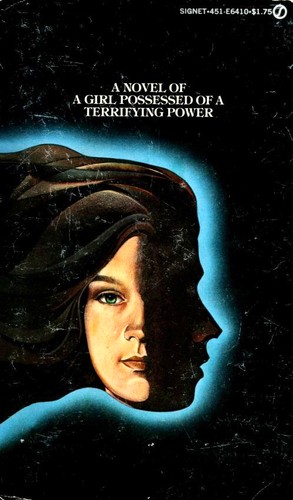
When I first sat down with my paperback copy, I ended up tearing through the entire second half in a single evening because the central tragedy unfolds with such relentless momentum. It is an ideal starter for readers who want an impactful story that can be finished in a weekend, offering a clear view of King’s early storytelling style before his novels expanded into much longer epics. The book holds a reader rating of 3.99 out of 5 from 167 ratings on Open Library, reflecting its lasting reputation as a reliable launchpad for newcomers.
First published in 1975, ‘Salem’s Lot is Stephen King’s second novel, and it is the book that firmly established his signature small-town Maine atmosphere. The narrative focuses on a writer who returns to his childhood hometown of Jerusalem’s Lot to work on a new project, only to discover that something ancient and predatory has moved in alongside him. Before long, the quiet community is slowly being overtaken by vampires, turning neighbors against each other as the evil spreads from house to house.

At roughly 496 pages, the book sits comfortably between King’s shorter early works and his massive later epics. It currently holds a reader rating of 3.99 out of 5 from 96 ratings on Open Library, reflecting its position as one of his most reliable classic titles. King spends considerable time mapping out the social dynamics, everyday routines, and secret lives of the townsfolk, which ensures that the escalating horror hits much harder when the dark forces take root.
This novel is a fantastic entry point for readers who appreciate traditional gothic horror, classic creature lore, and a sense of creeping dread that builds over time. If you enjoy atmospheric, location-centric stories where the town itself feels like a living character under siege, this second effort shows King already operating at the peak of his storytelling powers.
Published in 1977, The Shining is widely considered one of Stephen King’s defining early masterpieces. The novel tracks a family taking a job as winter caretakers at the isolated Overlook Hotel in the Colorado mountains. As heavy snow seals them off from the outside world, severe cabin fever merges with supernatural forces, systematically breaking down the father’s sanity while his telepathic young son experiences the terrifying, inescapable history built into the hotel walls.

At roughly 506 pages, it sits as an iconic blend of psychological horror and haunted house lore. It currently holds a reader rating of 4.17 out of 5 from 282 ratings on Open Library, reflecting its enduring reputation as one of the most complete haunted house stories in modern fiction.
This is perfect for readers who want deep character work mixed with genuine terror. While the famous film adaptation focuses heavily on icy madness, King’s original text is far more interested in the emotional weight of addiction, grief, and family ties. Anyone picking it up as an entry point should prepare for a claustrophobic, slow-burn thriller where the internal psychological strain is every bit as frightening as the spirits walking the corridors.
First published in 1978, The Stand is Stephen King’s sweeping post-apocalyptic dark fantasy epic. The narrative begins with a deadly influenza pandemic that escapes from a military research facility, rapidly wiping out the vast majority of global humanity. In the quiet, hollowed-out world left behind, the survivors find themselves drawn by visions to two opposing figures, setting the stage for an ultimate battle between good and evil.
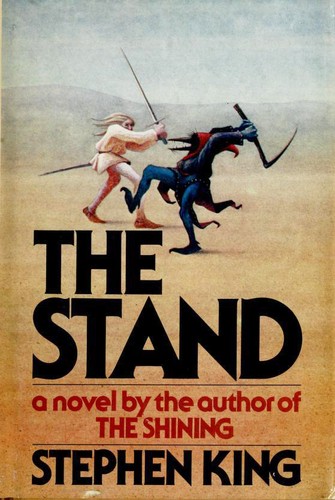
Typically running to about 1,153 pages, this book features a massive cast of characters caught in the breakdown and rebuilding of civilization. It currently holds a reader rating of 4.32 out of 5 from 90 ratings on Open Library, reflecting its position as one of King’s most celebrated works. Rather than relying on simple monsters, much of the tension comes from watching ordinary people forced to make profound moral choices under impossible circumstances.
Due to its vast scope, this title is best saved for readers ready to commit to a long, immersive doorstopper rather than anyone seeking a quick, lightweight introduction to King’s writing. If you enjoy sprawling cast lists, grand thematic stakes, and deep world-building, it offers an incredible showcase of his ability to craft modern mythology on a huge scale.
Published in 1979, The Dead Zone marks a distinct shift in Stephen King’s early career, blending psychic precognition with a tense political thriller. Clocking in at about 426 pages, it sits squarely in the realm of psychological suspense and political drama rather than creature-feature horror. The narrative follows Johnny Smith, an ordinary man who wakes from a years-long coma following a severe car accident, only to discover he possesses a disquieting gift: touching a person allows him to see visions of their past or future. When I picked up my copy, it was Johnny’s quiet grief over the life he lost during those lost years that stuck with me far more than his uncanny premonitions.

It is an excellent pick for readers who prefer grounded suspense over supernatural monsters, grounding its high-concept premise in believable human tragedy and moral weight. On Open Library, the novel holds a reader rating of 4.11 out of 5 from 46 ratings, reflecting its steady reputation among fans who appreciate character-driven tension. Rather than relying on haunted locations or terrifying beasts, the friction in The Dead Zone stems from personal sacrifice and the frightening rise of an unhinged politician. If you want to experience King’s narrative momentum and deep character work without entering traditional horror territory, this is a brilliant entry point.
First published in 1980, Firestarter sits firmly at the intersection of paranormal horror and high-stakes government conspiracy thriller. Running to about 428 pages, it shifts away from the isolated, slow-burn haunting tropes of King’s earlier supernatural work in favor of a fast-paced, action-driven narrative. The plot focuses on Charlie McGee, a young girl born with extraordinary pyrokinetic abilities, and her father as they flee across the country from a secret government agency relentless in its pursuit to capture, study, and weaponise her power.

For readers approaching King from a science-fiction or suspense background, this novel stands out as one of the most accessible entry points in his early bibliography. It trades traditional gothic dread for kinetic chase sequences, shadowy laboratory experiments, and constant psychological tension. On Open Library, the book carries a reader rating of 3.93 out of 5 from 27 ratings, underscoring its steady reputation among fans who prefer punchy, high-concept thrillers. If you want a story that moves with the momentum of an eighties sci-fi chase movie while retaining King’s trademark focus on vulnerable characters, it is a brilliant place to start.
Published in 1981, Cujo stands out in Stephen King’s early bibliography as a stripped-back, relentless survival horror novel that completely bypasses the supernatural. The story revolves around a friendly St. Bernard dog that contracts rabies, gradually transforming from a gentle family pet into a lethal threat. At roughly 352 pages, it is a short, lean read that ditches sprawling world-building in favor of grounded tension.
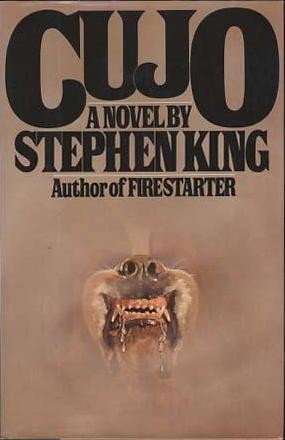
The heart of the book is agonisingly tight. Most of the terror unfolds in a claustrophobic setting where a mother and her young child are trapped inside a stalled car, with the rabid dog waiting just outside. This setup creates a desperate survival scenario where heat, dehydration, and helplessness become just as dangerous as the animal beyond the window.
For readers who prefer real-world survival terror over ghosts, curses, or telekinesis, Cujo offers a focused and intense entry point into King’s work. On Open Library, the novel holds a reader rating of 3.73 out of 5 from 49 ratings. It remains one of his most claustrophobic stories, demonstrating how effectively he can build sustained dread without relying on a single supernatural element.
First published in 1982, The Dark Tower: The Gunslinger serves as the gateway to King’s central seven-book Dark Tower saga. Rather than the small-town Maine terror that defined much of his early career, this opening volume introduces Roland Deschain, the last gunslinger, pursuing a mysterious sorcerer across a desolate, decaying wasteland. It stands as the ideal starting point for readers who prefer fantasy worldbuilding over traditional horror, sitting comfortably on the shelves of fantasy and weird fiction enthusiasts.

What makes the novel distinct is the way it combines dark fantasy, western tropes, and parallel universes into a completely unique epic. The tone is deliberate, surreal, and heavily atmospheric, exchanging jump scares for dreamlike landscapes, ancient magic, and philosophical weight. While its narrative style is sparser and more enigmatic than the massive fantasy volumes that follow in the series, it lays the essential foundation for King’s overarching multiverse.
For anyone coming to his work from a background in high fantasy or speculative fiction, starting here offers a fresh perspective on his capabilities as a worldbuilder. It delivers a captivating introduction to an epic western saga without requiring a reader to brave classic monster stories or psychological gore to get there.
Published in 1983, Pet Sematary is widely cited by readers and King himself as his most terrifying work. Coming in at about 422 pages, it sits squarely in the territory of uncompromising, disturbing horror. I remember reading the final movement late at night and finding myself checking the dark hallway outside my bedroom door before I could finally turn off the light. It is not a gentle book, nor does it pull its punches when dealing with the raw mechanics of human tragedy.
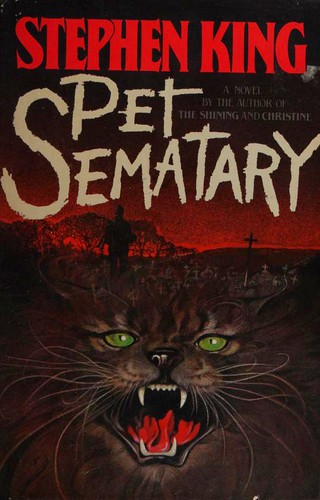
At its core, the story explores deep grief, death, and the disastrous consequences of trying to bring loved ones back wrong. When the Creed family moves to rural Maine, they discover a burial ground in the woods behind their house that holds an ancient, sinister power. What follows is a relentless look at how far overwhelming sorrow can push an otherwise sensible person past the point of reason. On Open Library, it holds a reader rating of 4.03 out of 5 from 174 ratings, reflecting its enduring reputation as one of his absolute darkest efforts.
If you are a newcomer who thrives on genuine dread and wants the absolute maximum fear factor from your first King novel, this is the one to pick. Seasoned horror fans will appreciate its oppressive atmosphere and psychological weight, though readers sensitive to themes of family loss should be aware that it remains a notoriously heavy read.
Published in 1986, It remains one of Stephen King’s longest and most culturally famous novels. At its core, the book is an expansive coming-of-age horror story steeped in childhood nostalgia and small-town dread. The structure alternates between seven childhood friends growing up in the 1950s and their adult selves, who must return decades later to fight an ancient, shape-shifting entity lurking beneath Derry, Maine.
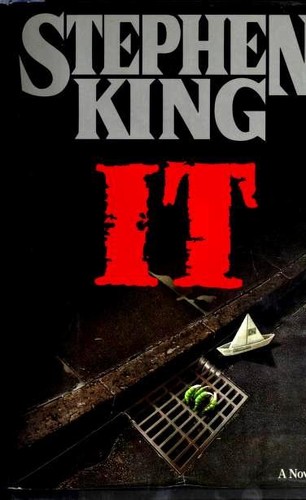
What the novel does extraordinarily well is balance visceral horror with genuine emotional depth. The bond between the core group of children forms the emotional spine of the story, making the terror hit much harder. However, while it is undeniably an iconic piece of fiction, its extreme length and heavy pacing can make it a challenging first book for newcomers. If you are not yet familiar with King’s habit of taking long, detailed detours into lore and town history, starting with a shorter work might be a wiser path.
Published in 1987, Misery is a claustrophobic psychological thriller with no supernatural elements whatsoever. The story follows famous romance writer Paul Sheldon, who survives a severe car crash in snowy Colorado only to be dragged from the wreckage by Annie Wilkes, a former nurse who declares herself his “number one fan”. When Annie reads his unreleased manuscript and discovers he has killed off her favorite character, her intense devotion turns into a violent hostage situation inside her remote cabin.
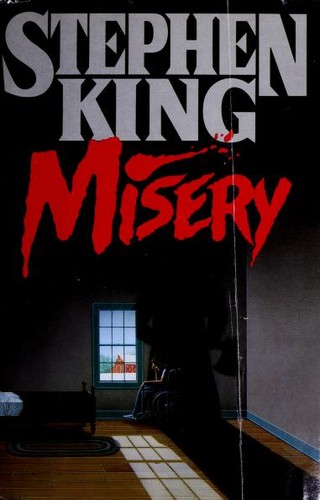
At roughly 382 pages, it is a remarkably tight, high-tension novel that showcases Stephen King’s ability to create sheer horror purely through human obsession and severe isolation. For readers who usually avoid the horror genre because they dislike ghosts, monsters, or the paranormal, Misery remains one of the finest entry points in his entire bibliography. It holds a rating of 4.17 out of 5 from 143 ratings on Open Library, reflecting its strong reputation among suspense readers.
If you are approaching King from the thriller, crime, or mystery sections of the bookshop, this is ideal. It relies entirely on psychological tension, razor-sharp dialogue, and a desperate battle of wits restricted largely to a single room.
First published in 1996, The Green Mile occupies a distinct place in Stephen King’s bibliography. Originally released as an experimental six-part monthly serial novel before being collected into a single volume of about 465 pages, it sits squarely in the realm of emotional, character-focused drama rather than traditional horror. For readers who usually avoid horror but want to experience King’s legendary storytelling and deep characterization, this is often the single best place to start.

The story is set on death row in a 1930s Southern prison, where guards oversee the inmates awaiting execution along the green linoleum hallway known as the Green Mile. The narrative takes a remarkable turn with the arrival of John Coffey, a towering inmate accused of a horrific crime who turns out to possess miraculous healing powers. Rather than leaning on monster tropes or visceral scares, the book explores themes of empathy, injustice, and human compassion under extraordinary strain.
It remains one of King’s most deeply moving works, boasting a 4.33 out of 5 rating from 108 ratings on Open Library. While supernatural elements drive the central plot, the genuine heart of the story comes entirely from human relationships, moral dilemmas, and quietly devastating moments. If you want a story that displays his skill as a dramatist without needing to keep the lights on late at night, this is an exceptional entry point.
It is easy to assume that the best place to start with an author is their most famous work. When people think of Stephen King, giant titles like It (1986) or The Stand (1978) are usually the first to come up in conversation. They are culturally massive, deeply influential, and brilliant achievements, but they are also enormous books that stretch past a thousand pages each. For someone who is completely new to King’s prose, diving straight into one of these heavyweights can feel like a daunting hurdle rather than an inviting read.
When I first picked up The Stand, I nearly gave up three hundred pages in simply because the sprawling cast felt overwhelming before the primary narrative threads even aligned. Starting with an oversized epic often leads to reader fatigue. King is famous for his slow-burn worldbuilding, patient character development, and wide ensemble rosters, which shine over massive page counts but require a serious investment of time and energy up front. If you are not yet accustomed to his pacing and narrative tangents, an eleven-hundred-page epic can feel like hard work rather than an immersive escape.
By contrast, shorter novels offer a much clearer view of his storytelling strengths without the sheer physical stamina required for his doorstops. Titles such as Carrie (1974) and Misery (1987) display King’s sharp dialogue, claustrophobic tension, and rich characterization in a tight, lean format. Choosing a more concise book lets you experience his signature style and decide whether you enjoy his voice before committing to an epic that will occupy your bedside table for months.
Stephen King is frequently pigeonholed as a pure horror writer, a reputation earned by decades of iconic terror stories. Yet treating his massive bibliography as a single monolith of monsters and jump scares misses how broadly his work actually stretches across different genres. While supernatural dread is certainly his hallmark, his catalog extends into ground-level psychological thrillers, sprawling sci-fi conspiracies, and expansive dark fantasy.
Knowing what kind of experience you are looking for is the easiest way to narrow down the options. King generally operates in a few distinct writing modes:
Deciding whether you prefer terrifying supernatural forces or realistic human suspense makes choosing your entry point far simpler. If psychological tension without monsters sounds appealing, a grounded thriller will feel much more rewarding than an epic creature feature like It. Matching your preferred genre to his specific writing style ensures your first step into his universe lands on comfortable ground.
If you started with one of Stephen King’s early novels and fell for the eerie, small-town atmosphere, the most natural next step is to follow his publishing timeline through the late 1970s and 1980s. Moving chronologically from Carrie (1974) to ‘Salem’s Lot (1975) and The Shining (1977) allows you to watch his fictional Maine geography take shape. Continuing into titles like The Dead Zone (1979), Cujo (1981), Pet Sematary (1983), and It (1986) reveals how his depiction of local communities and suburban dread deepened over a single extraordinary decade.
For readers who were drawn in primarily by his character work and emotional depth rather than pure shock value, his novella collections offer a brilliant alternative pathway. Volumes such as Different Seasons demonstrate his mastery of character-driven drama, containing celebrated non-horror stories alongside his tighter suspense pieces. Similarly, standalone novels like The Green Mile (1996) show how deftly he blends grounded human relationships with understated supernatural touches.
If you are fascinated by world-building and recurring easter eggs, the best route leads straight into his broader multiverse. Starting with The Dark Tower: The Gunslinger (1982) unlocks a central fantasy spine that ties into dozens of his horror and suspense works, with standalone epics like The Stand (1978) sharing major characters and mythology with the saga. With a new Dark Tower series moving forward under Mike Flanagan, exploring these connected links now gives you a far richer understanding of how his expansive literary universe fits together.
Misery, published in 1987, is one of the best books to start with if you want a tense, fast-paced psychological thriller. For readers who prefer classic supernatural horror, The Shining (1977) or ‘Salem’s Lot (1975) offer brilliant early entry points. If you are looking for fantasy rather than terror, The Dark Tower: The Gunslinger opens his massive, multi-world fantasy saga.
You can read Stephen King in simple publication order or pick standalone novels based on genre preferences. Because King writes across horror, fantasy, and character dramas, there is no single mandatory chronological storyline connecting every book. Following publication order starting with Carrie (1974) lets you watch his style evolve naturally, though jumping straight to acclaimed standalone works like Pet Sematary (1983) works just as well.
Carrie, released in 1974, is Stephen King’s shortest and most straightforward novel, making it extremely easy to read in a single sitting. The story relies on a brisk, direct narrative structure using news clips and interviews. Another accessible, fast-moving option is Firestarter (1980) or the tight thriller Misery, both of which move quickly without the massive page counts of his epic books.
Where you begin depends on what genre you enjoy reading most. Horror fans should begin with The Shining or Pet Sematary, while readers who prefer dramatic suspense without heavy gore will find The Dead Zone (1979) or The Green Mile (1996) ideal. Avoid starting with massive epics like It (1986) or The Stand (1978) until you know you enjoy his writing style.
This page is maintained by Theo Marsh, who covers the big fantasy and science-fiction franchises for Escape Into Books.
Covers, author credits and reader ratings come from Open Library, which is free and openly licensed. A rating is only shown once enough people have left one.
Nothing here is generated from a book we could not verify. Where a title could not be confidently matched, we leave the space empty rather than guess.
We re-check this page every 180 days. The review date moves only when the content actually changes, because a fresh date on unchanged text helps nobody.
Last reviewed


